EXHIBITIONS | UNSUNG
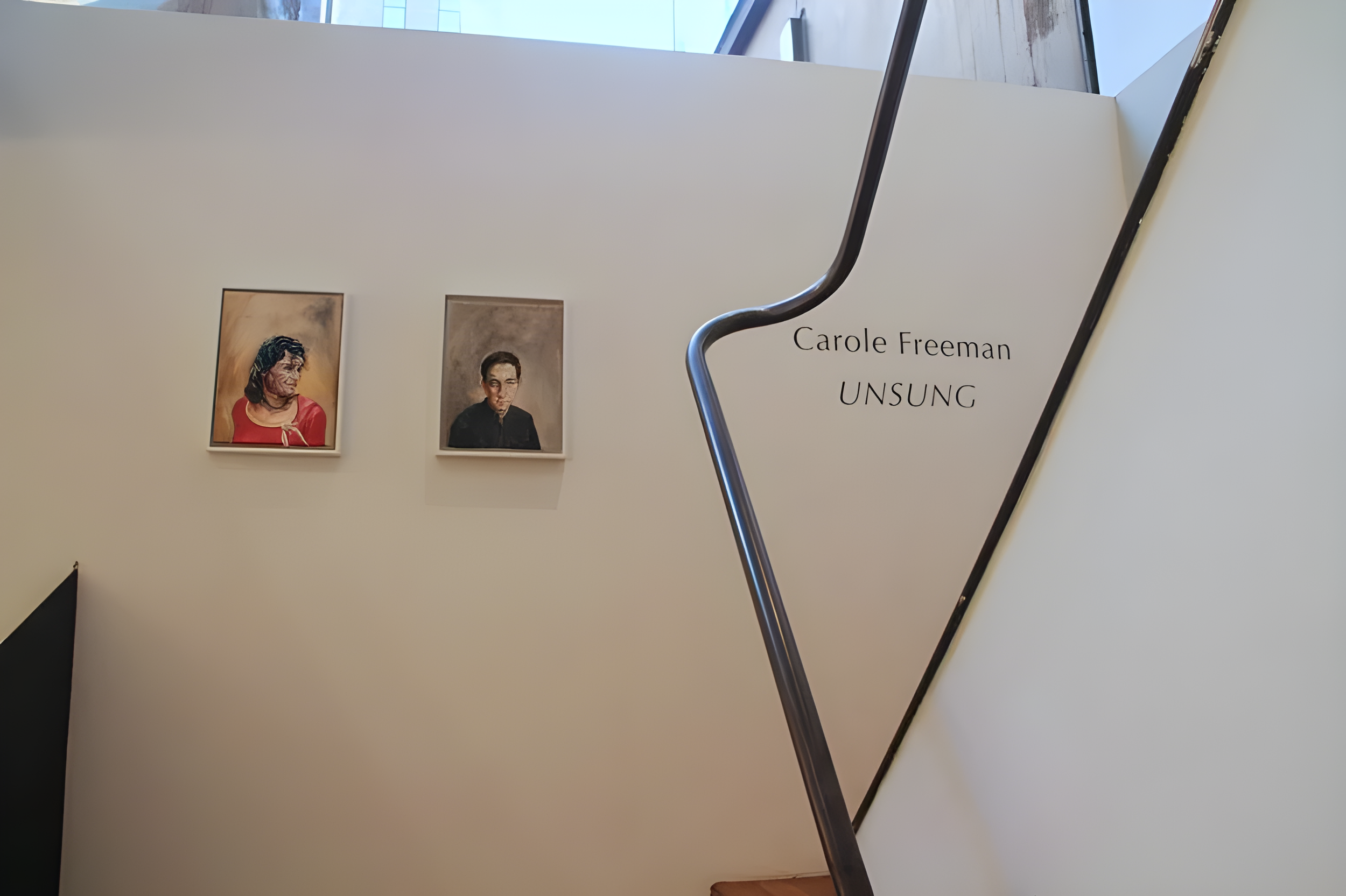

UNSUNG
March 17 - April 21, 2018
JIM KEMPNER FINE ART
501 West 23rd Street
New York, New York
To ward off alienation and gloom, it is only necessary to remember the unremembered heroes of the past, and to look around us for the unnoticed heroes of the present.
- Howard Zinn
Unsung Heroes
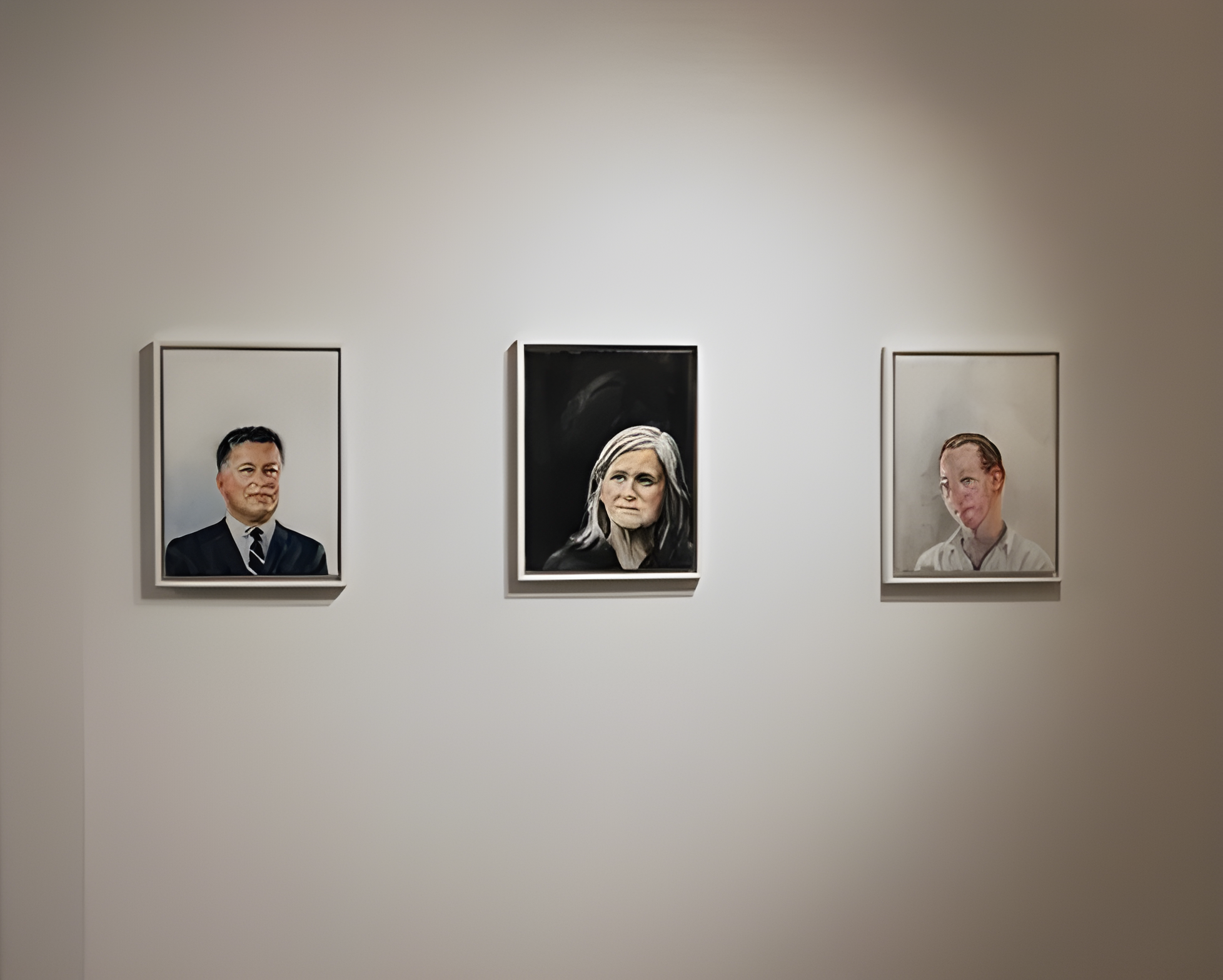
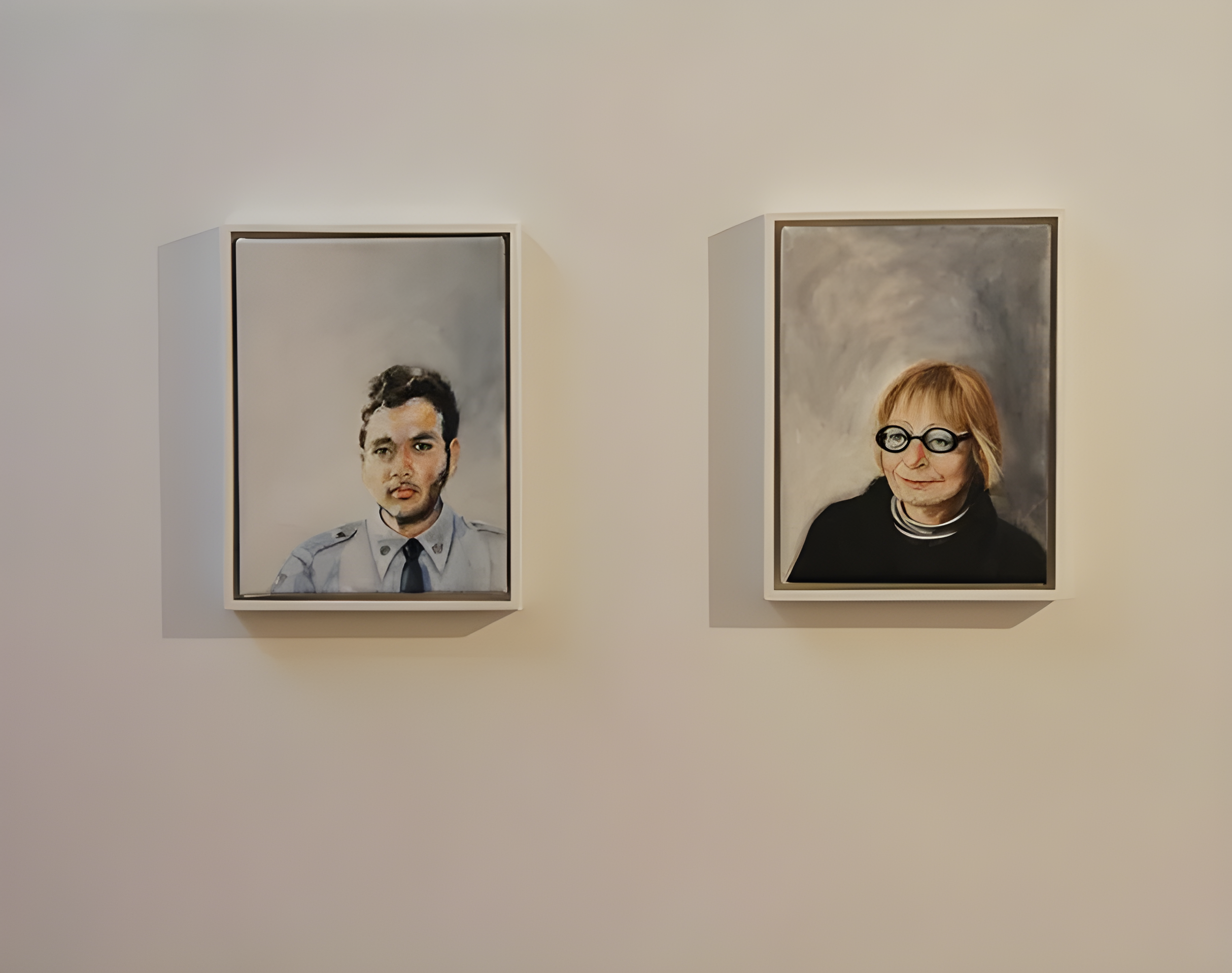
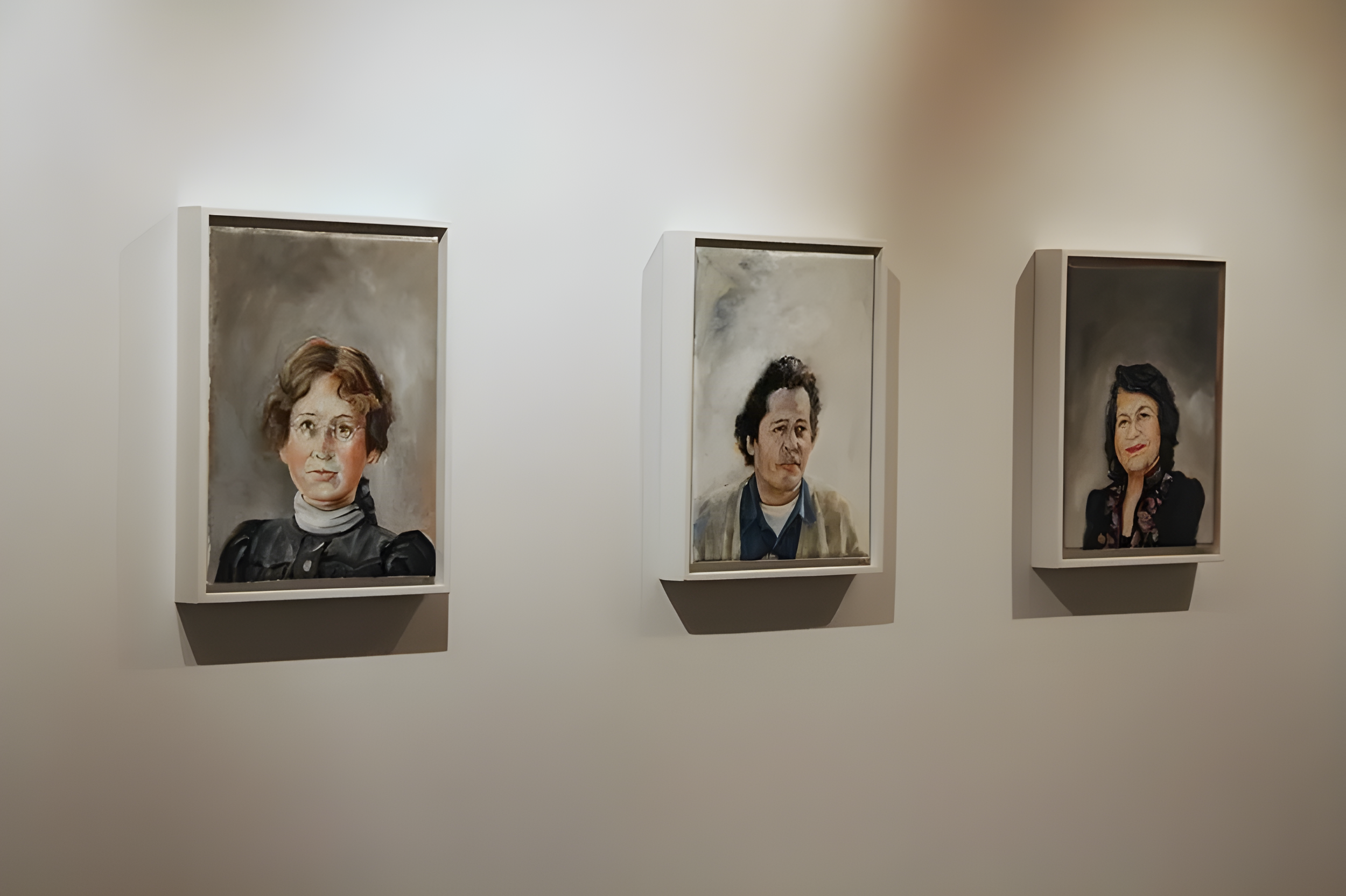
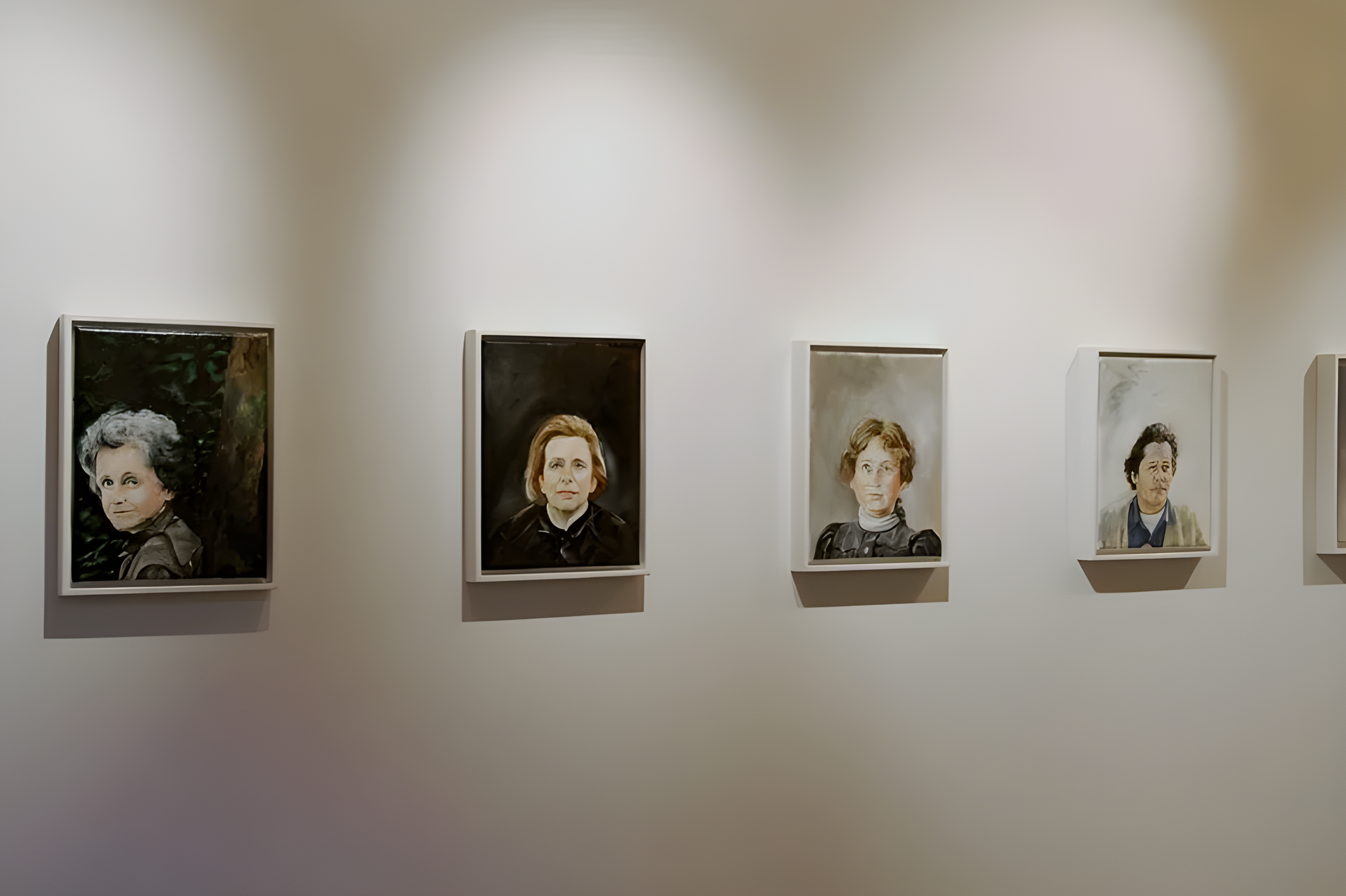
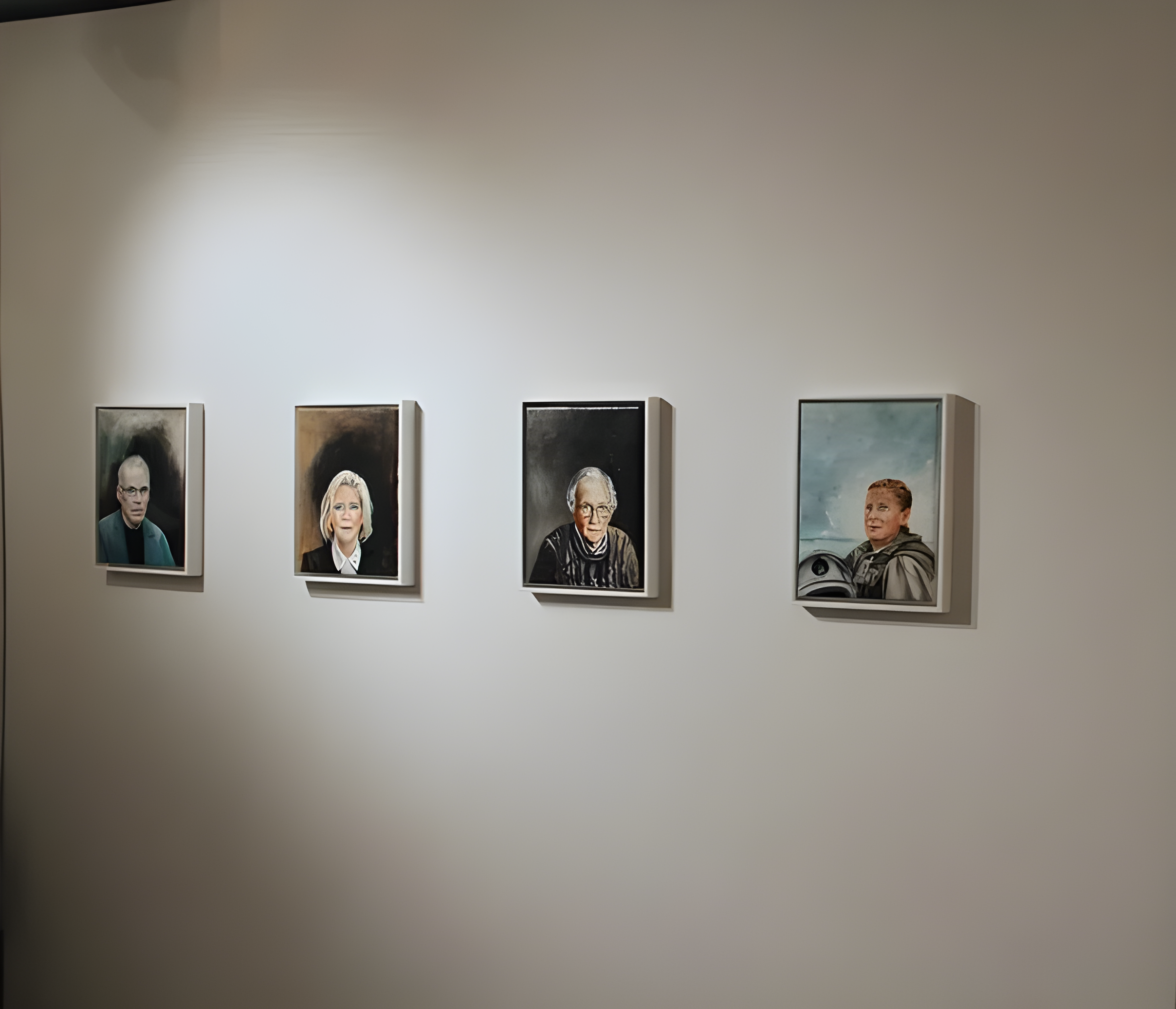
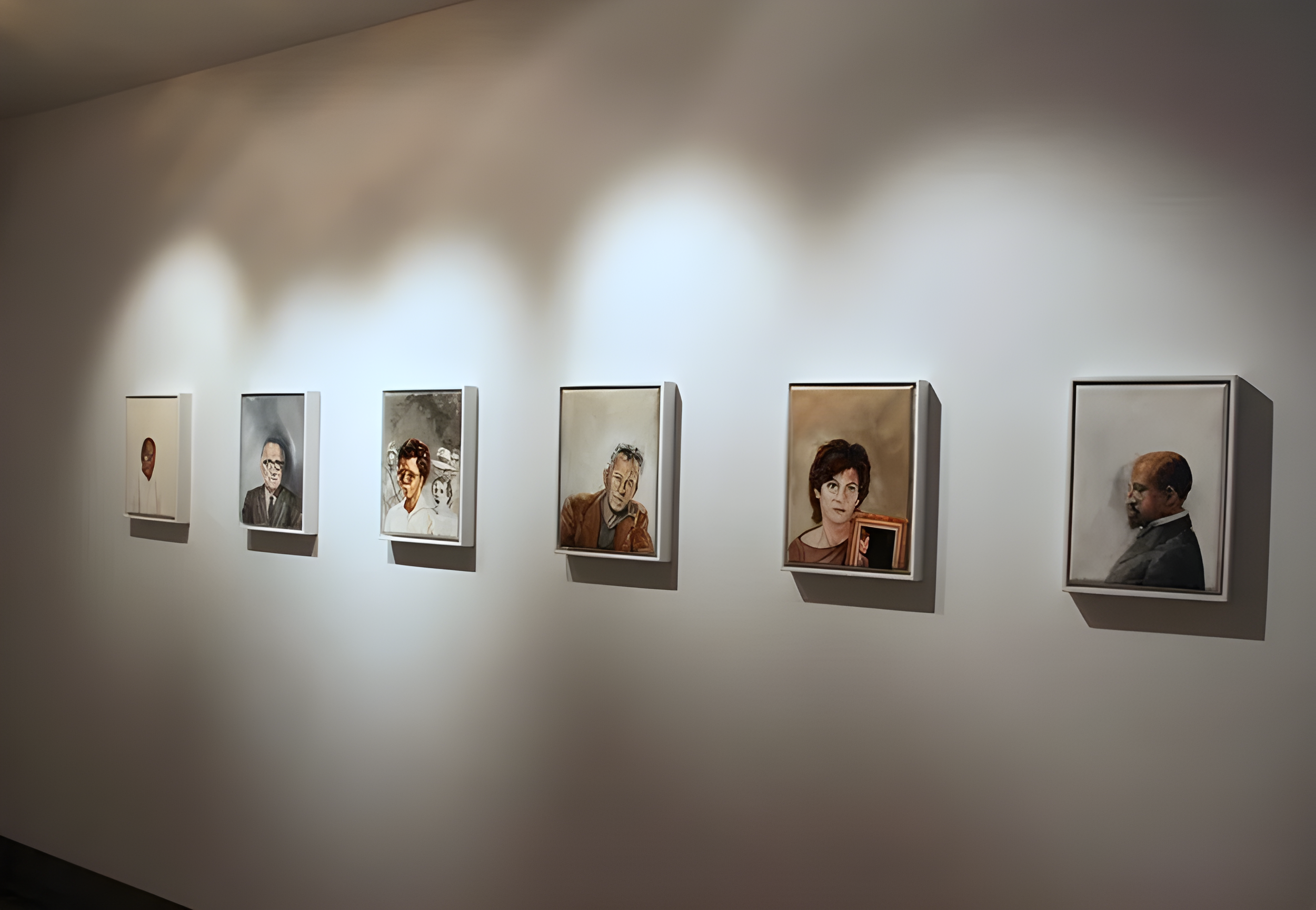
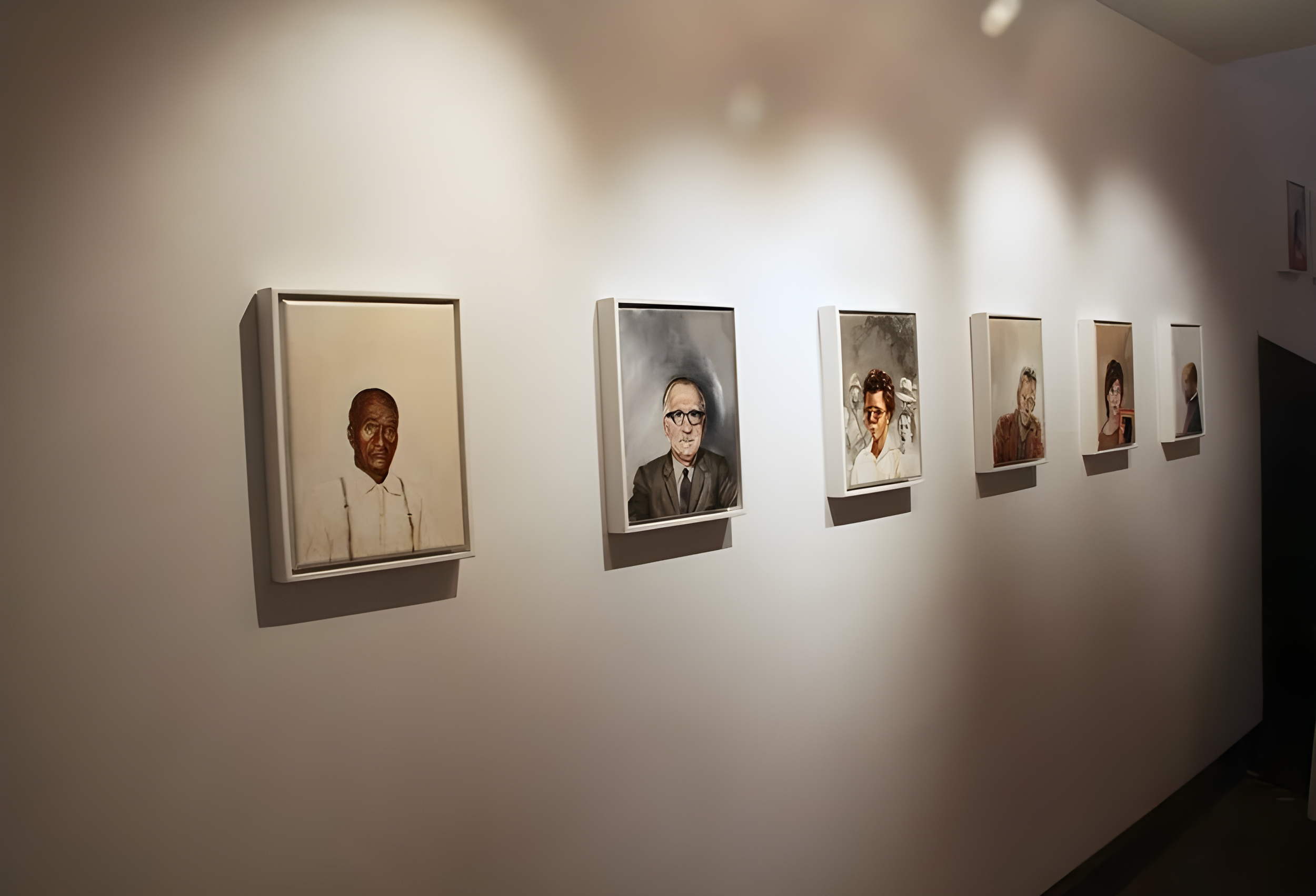
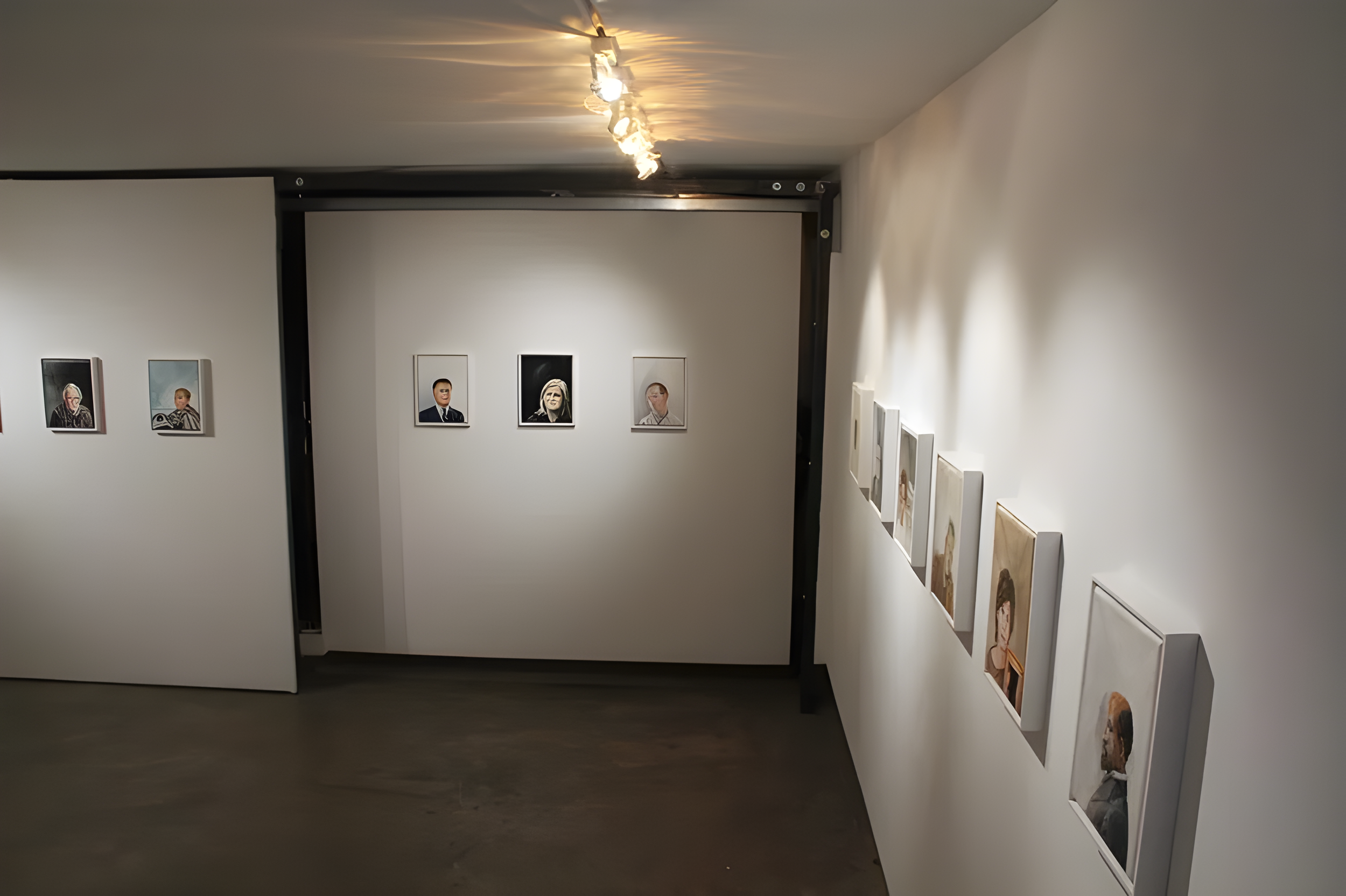
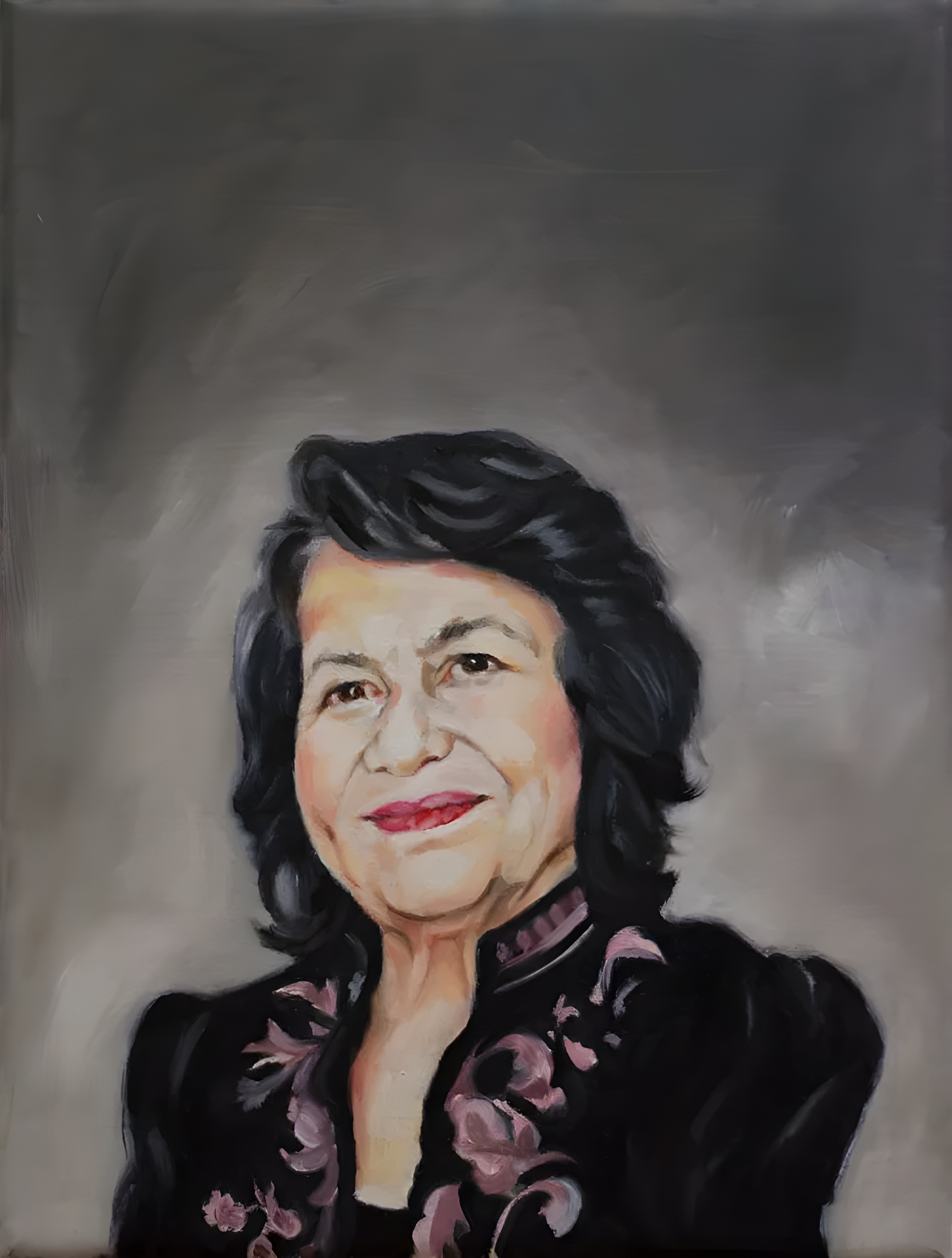
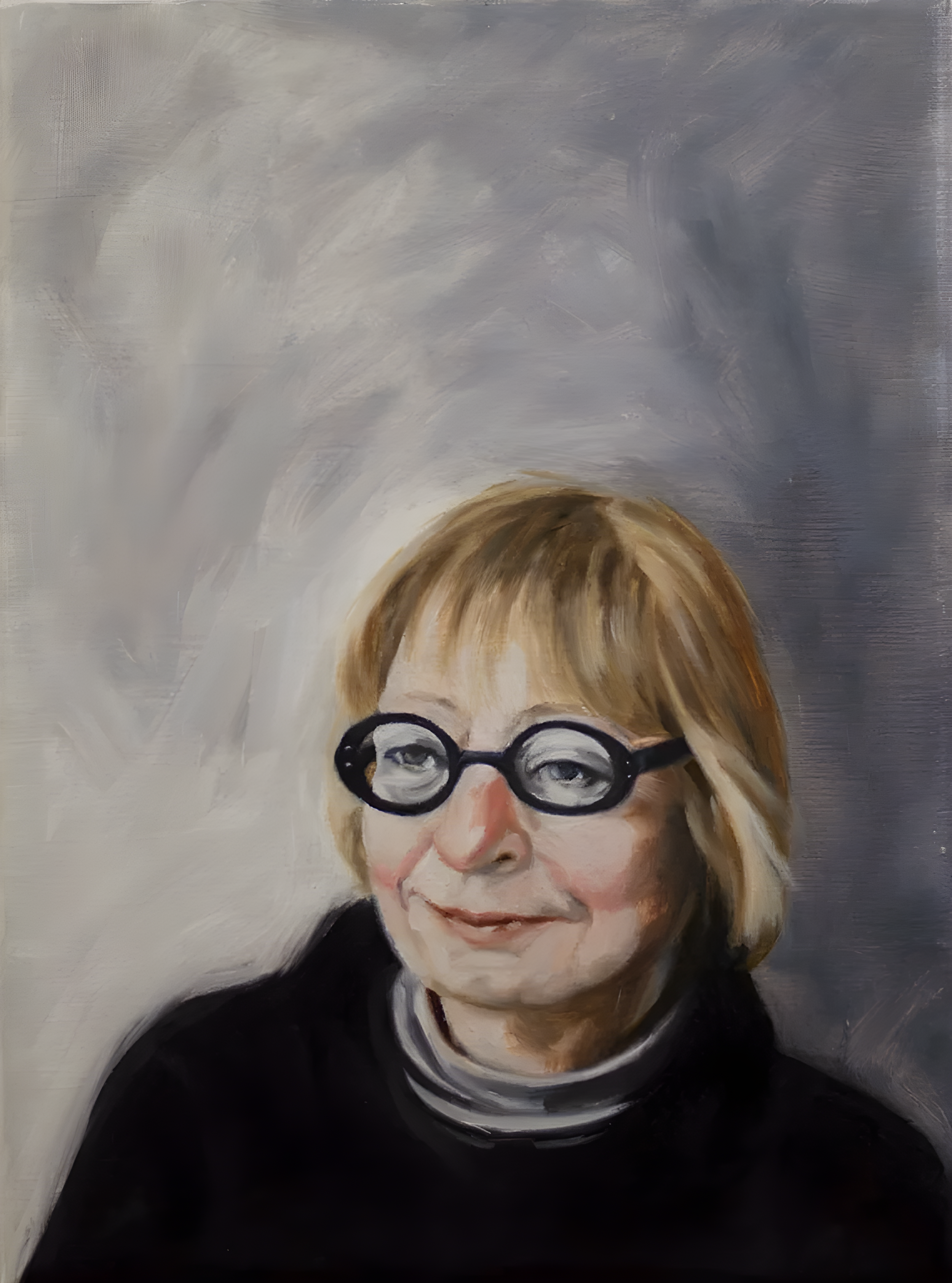
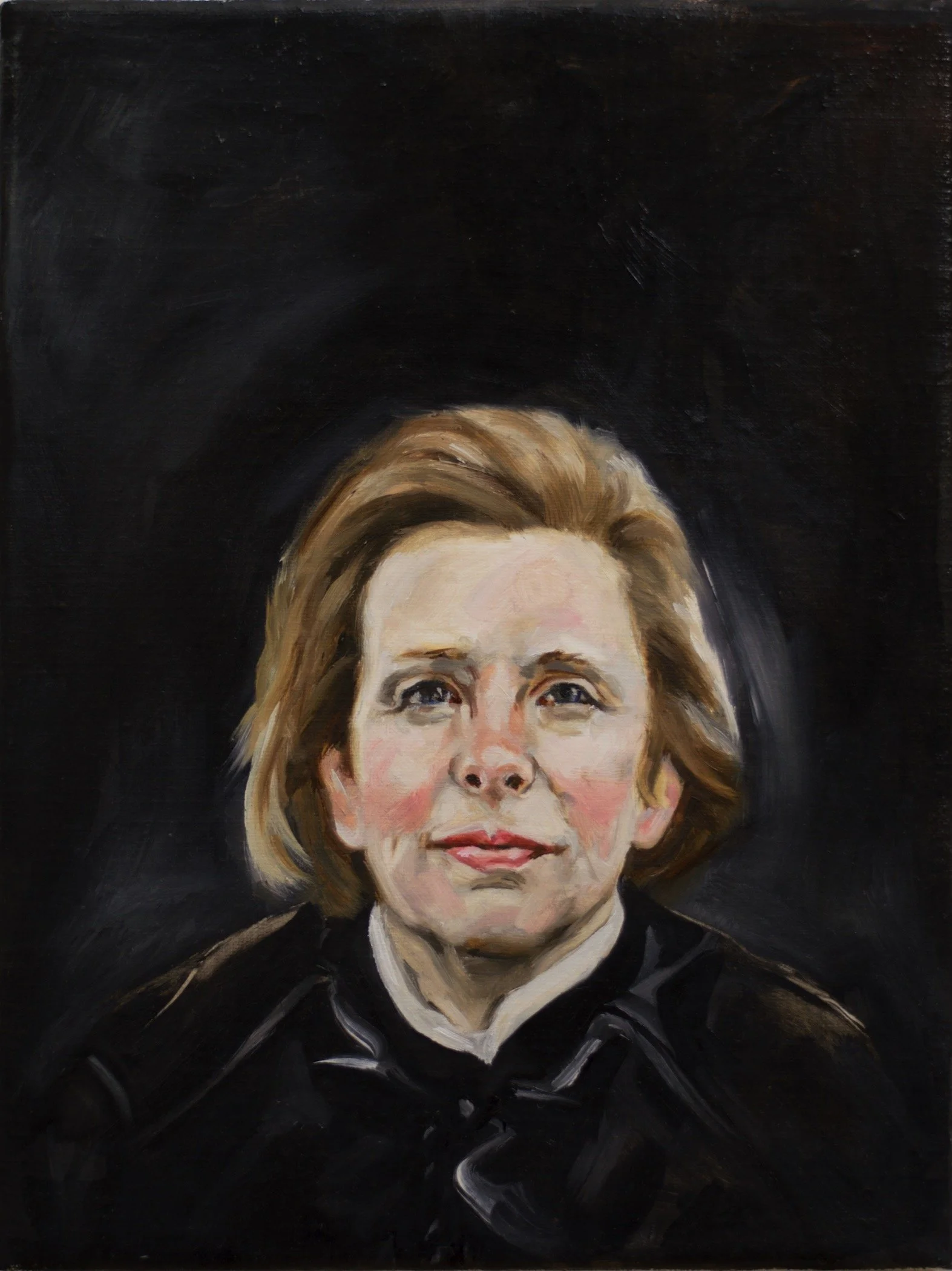
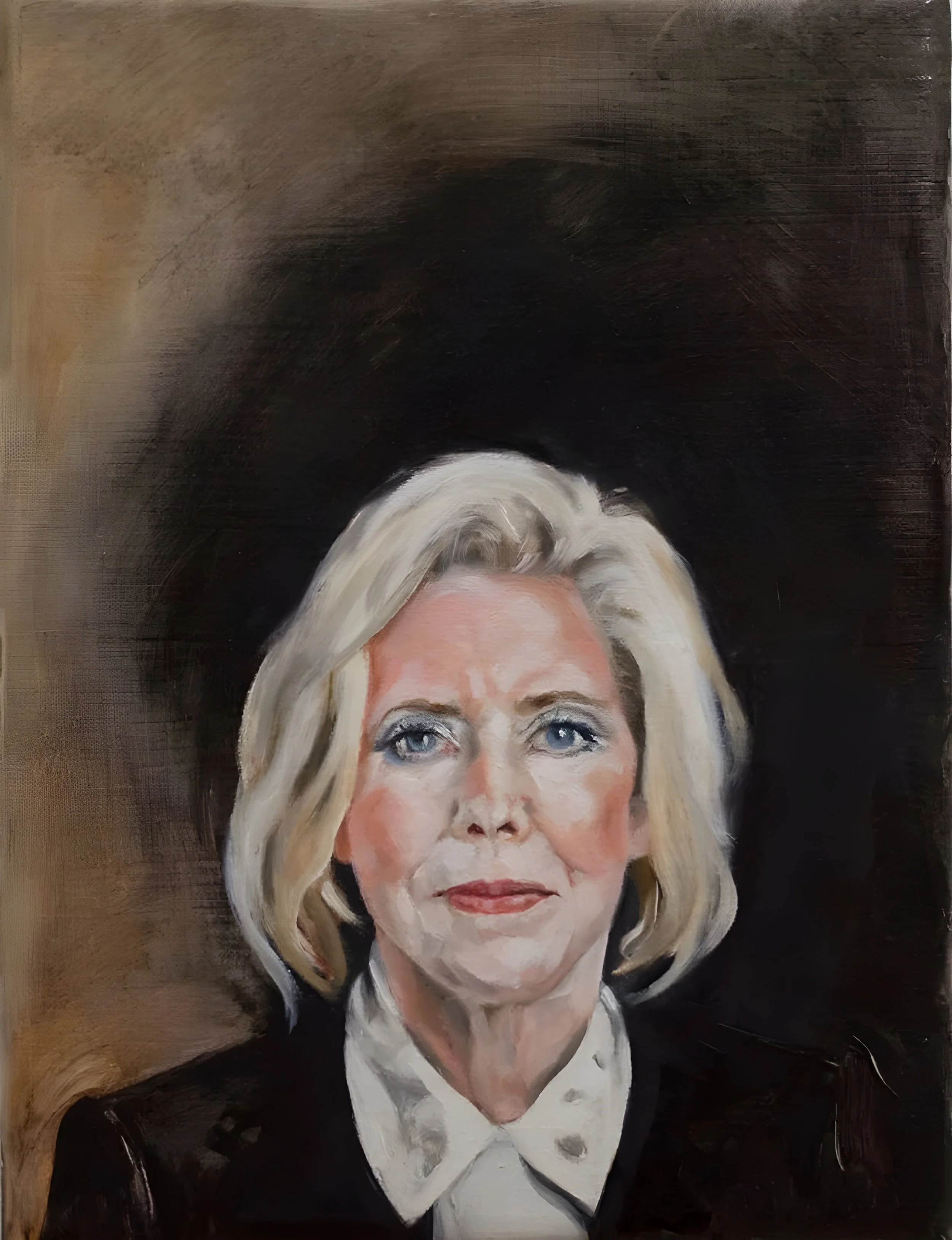
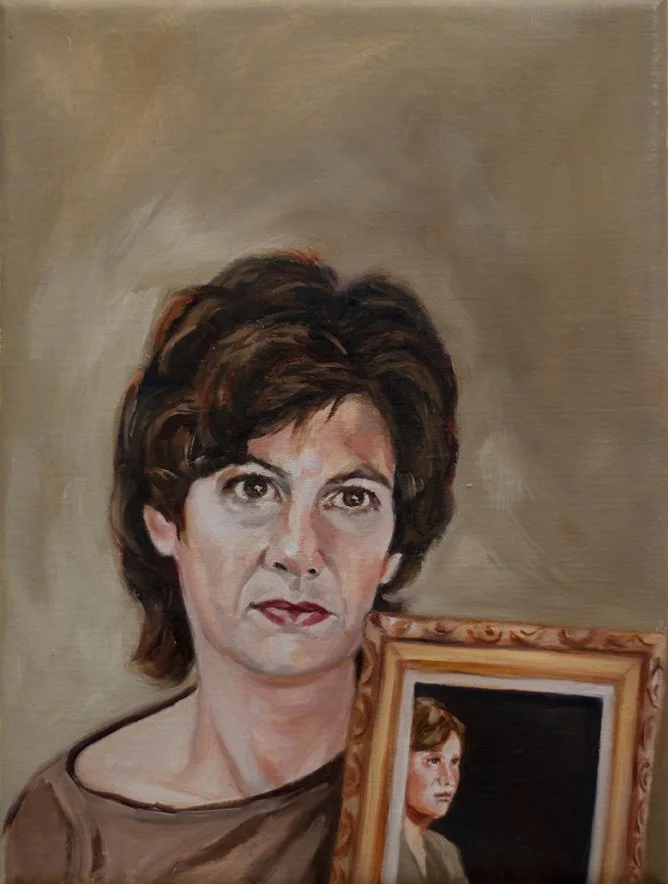
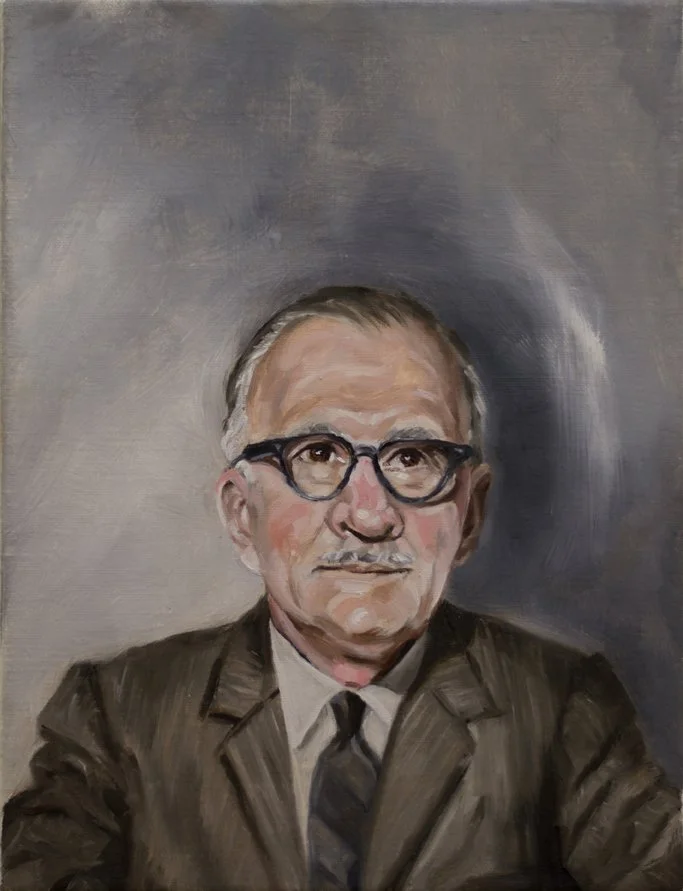
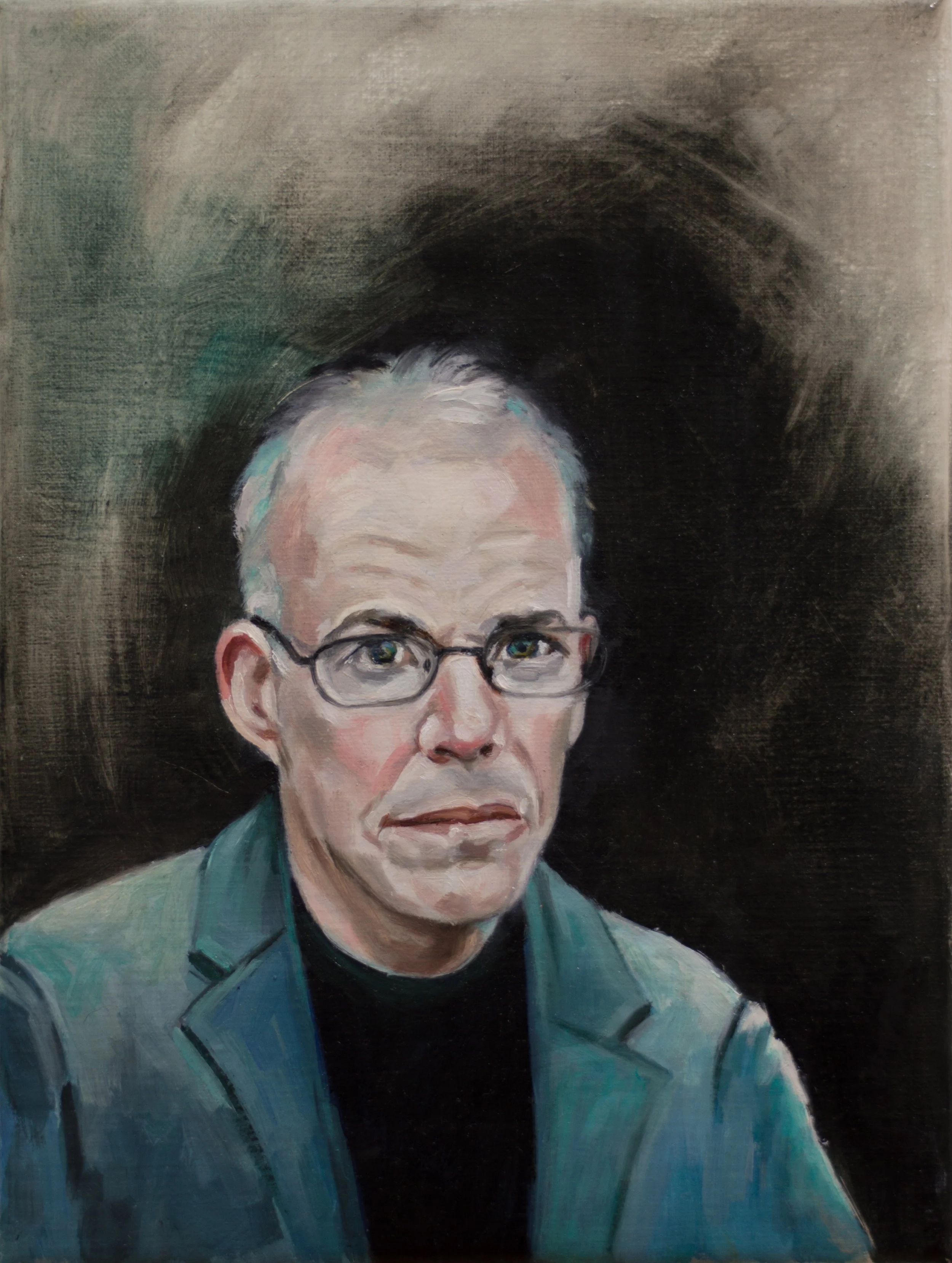
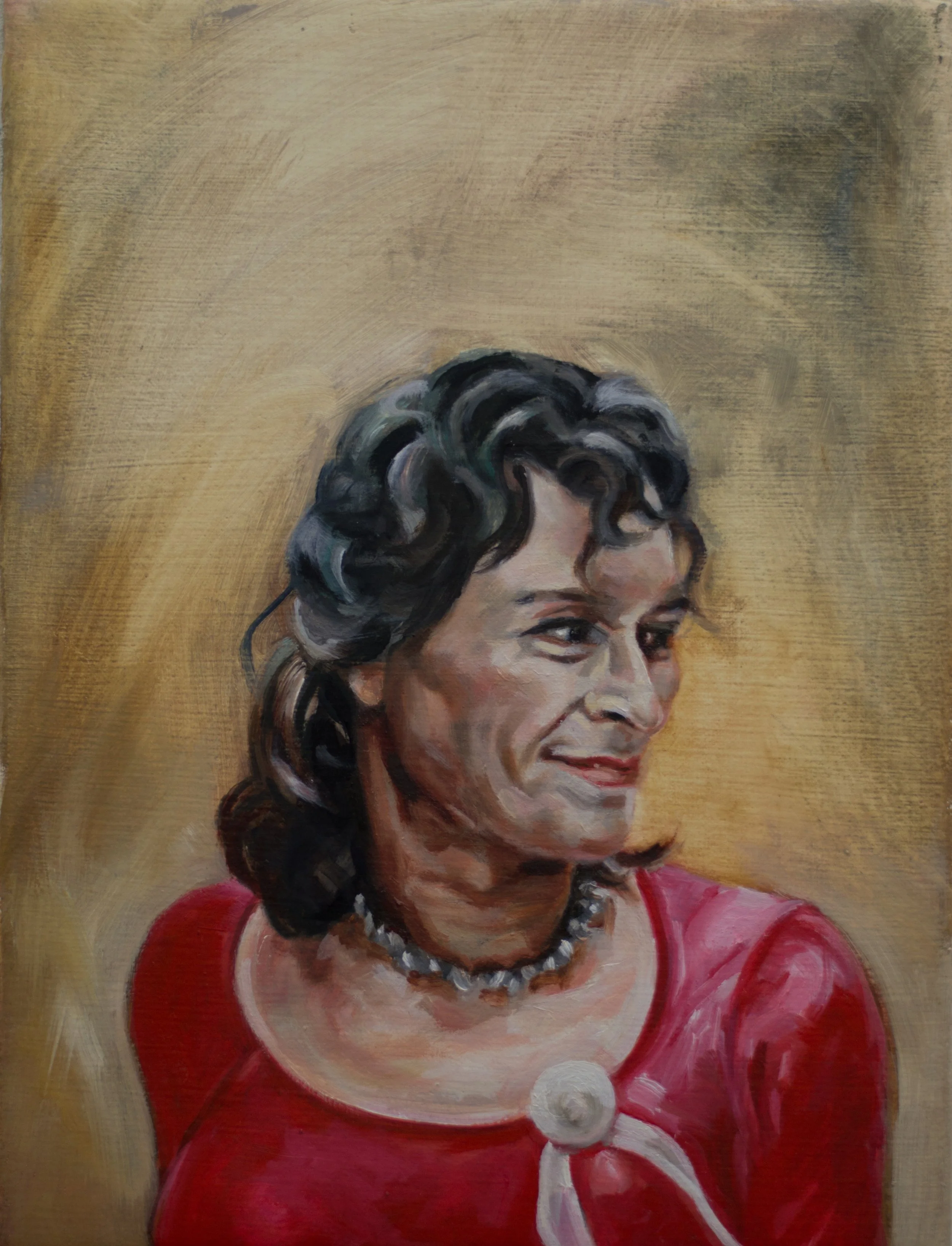
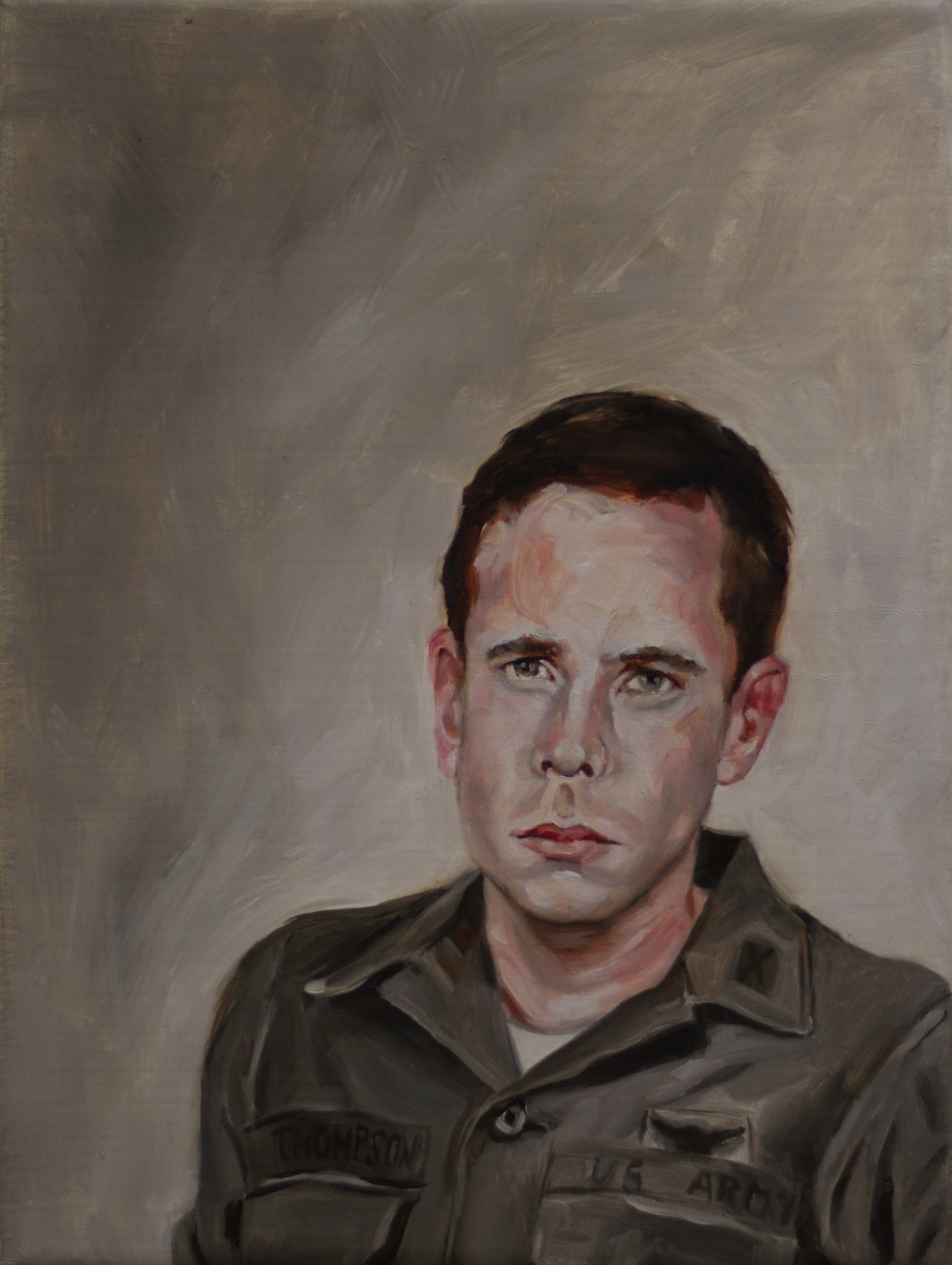
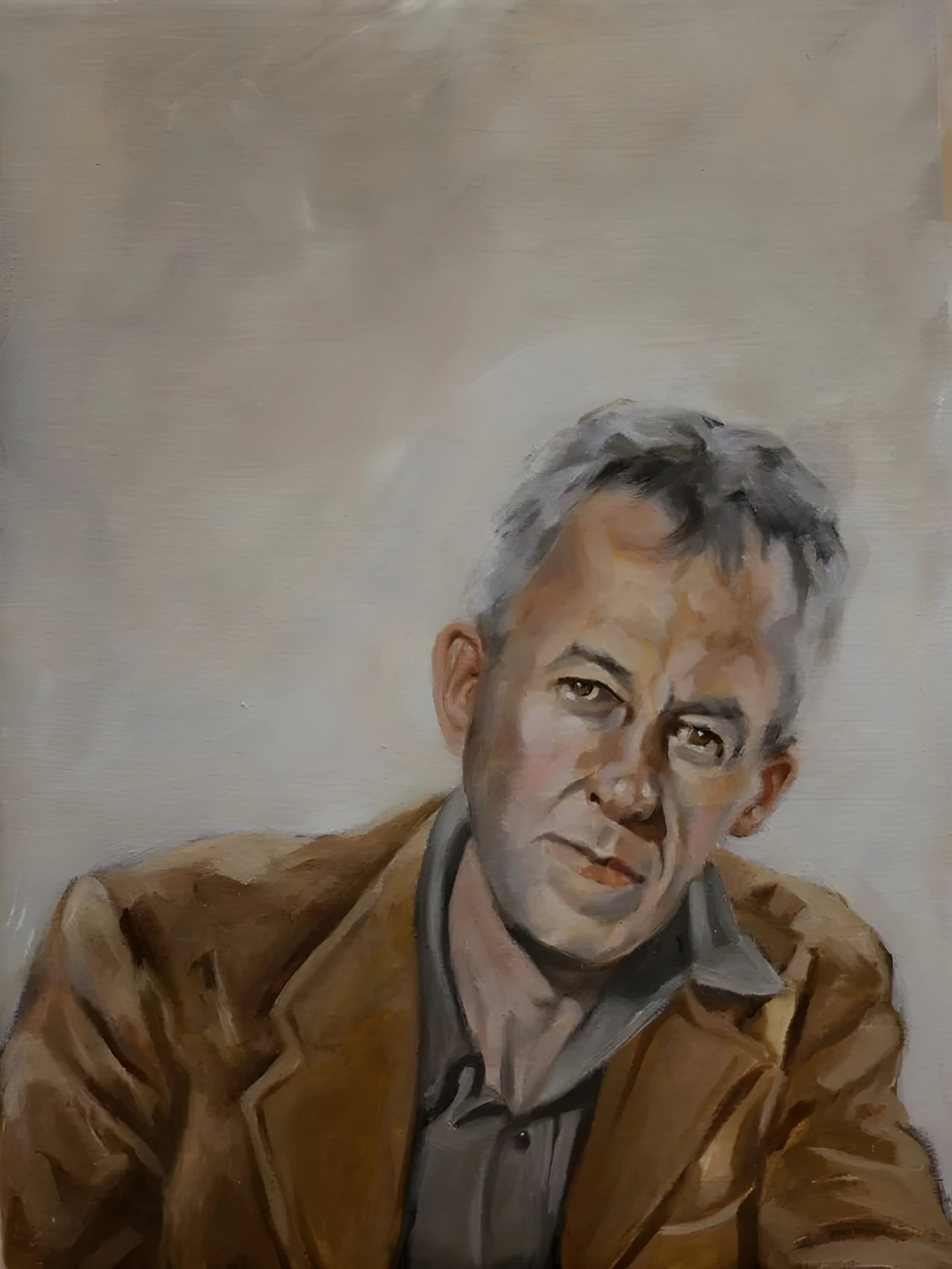
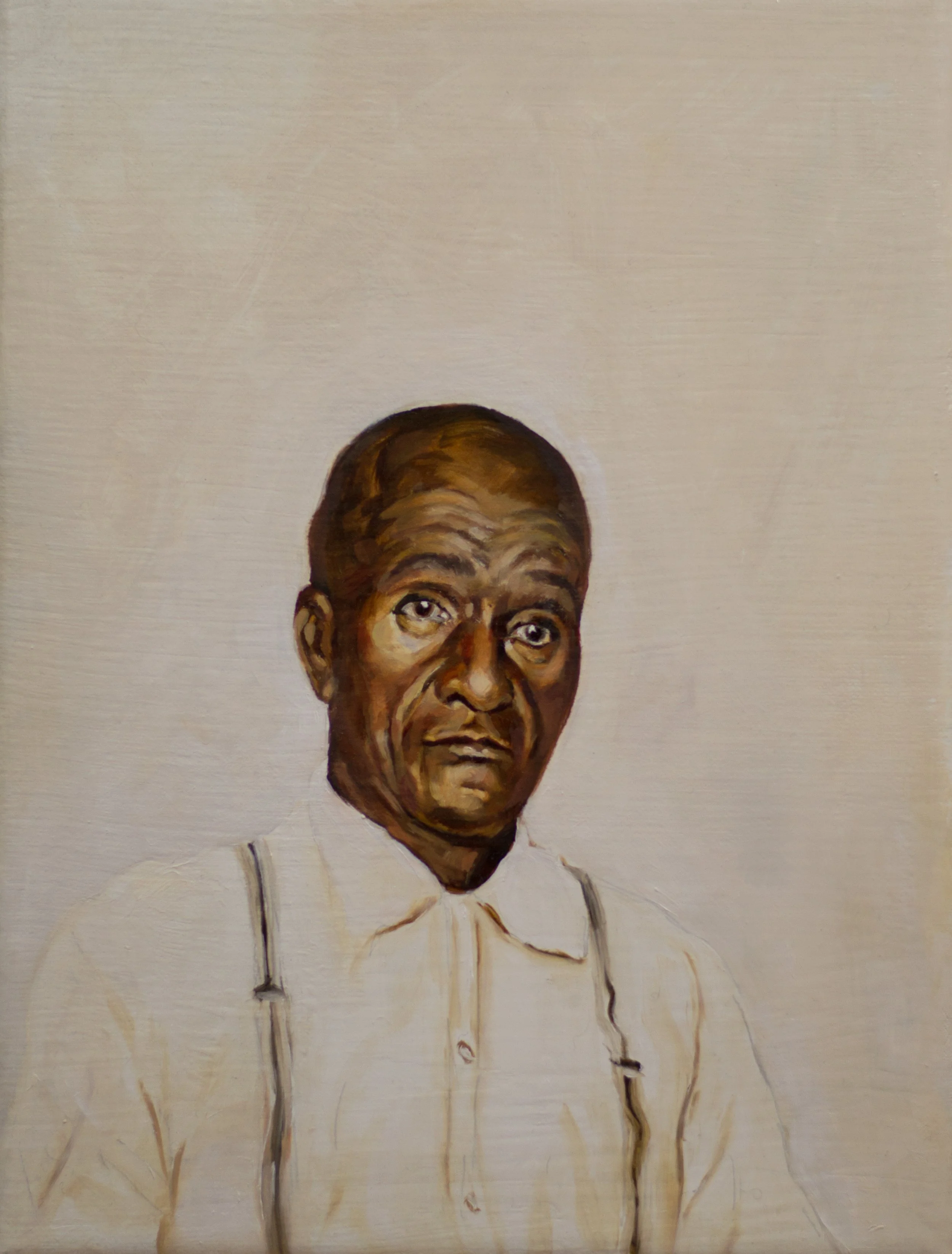
Jim Kempner Fine Art is pleased to announce UNSUNG, its first exhibition with the contemporary figurative painter Carole Freeman. The exhibition features twenty-four 12 x 9” portraits of little known or not-known-enough American heroes who represent a range of social and political issues including sexual harassment, fake news and the “post-truth” moment, racism, the environment, terrorism, Islamophobia, and civil, LGBTQ and women’s rights. UNSUNG will run from March 17th- April 22nd, 2018, with an opening reception on Saturday, March 17th, from 4-6 pm. Carole Freeman subversively takes on topical issues through her depictions of controversial and courageous figures. Consideration of historical and present day events and statistical details led to a roster of subjects who reflect the diversity of the US population. Subjects are as varied as a physician, intellectuals, a mother, pilots, a miner, a sex educator, and politicians.
Freeman’s portraits, realized from sourced images, are imbued with a compelling and vivid immediacy. Modest in size yet powerful in concept and execution, these luminous paintings affirm the quiet potency of the portrait genre. UNSUNG, an implied yet meaningful meditation on the present US political climate, offers an aesthetic and provocative chant for the possibilities of beauty and good in chaos. Examples from the exhibition include: William Moore McCulloch, who worked tirelessly for equal rights at the risk of political suicide and was recognized by President Kennedy for his important influence in passing the Civil Rights Act; Edward Brooke, one of the first Republicans to call on President Nixon to resign in light of the Watergate scandal; Mose Wright, who in 1955 testified at the trial of the men who brutally abducted, tortured, and murdered his great nephew, Emmett Till, for allegedly whistling at a white woman; and Lois Jenson, a Minnesota miner who, in 1988, filed Lois E. Jenson v. Eveleth Taconite Co. and won the first class-action sexual harassment lawsuit in the United States.
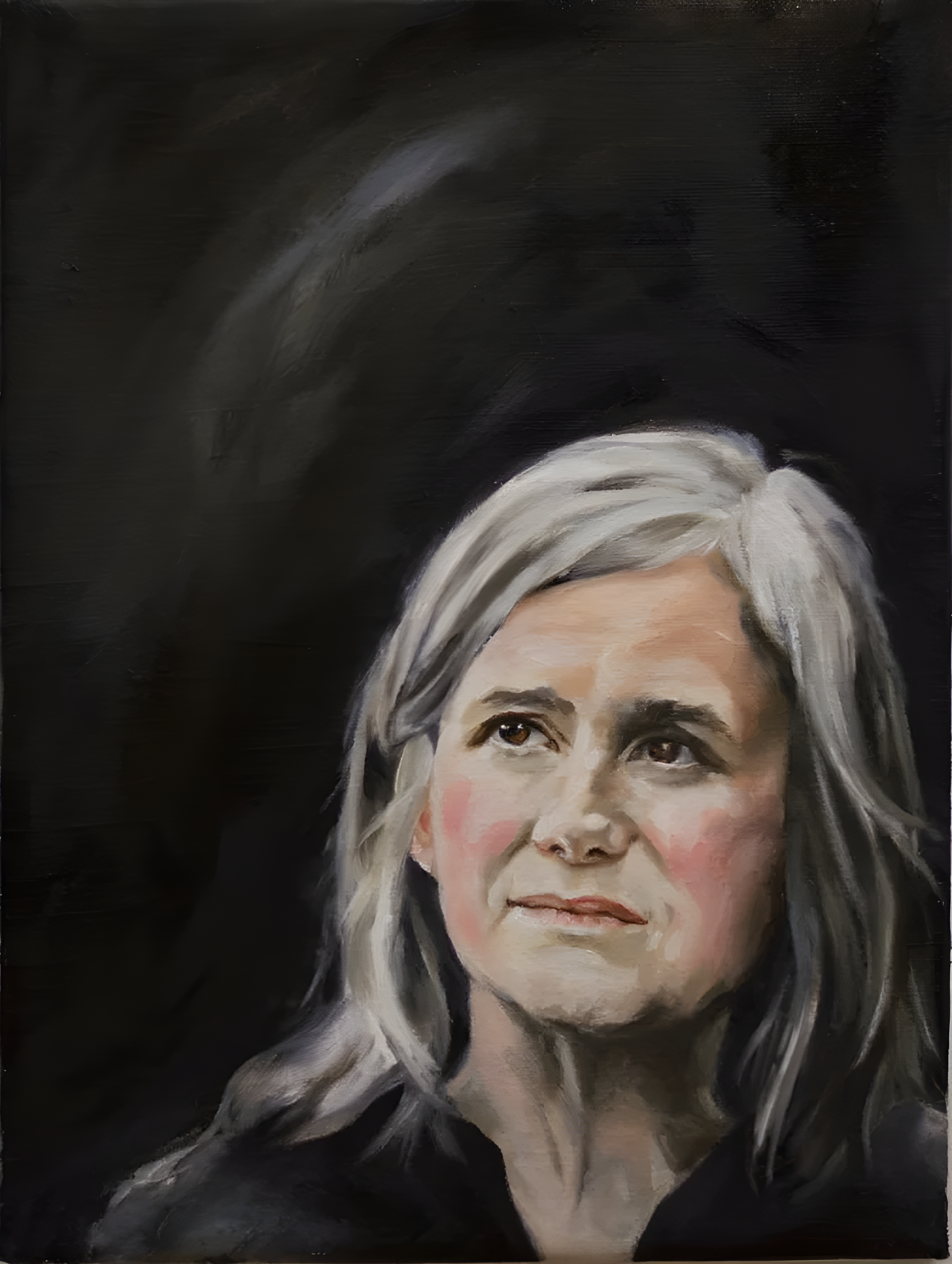
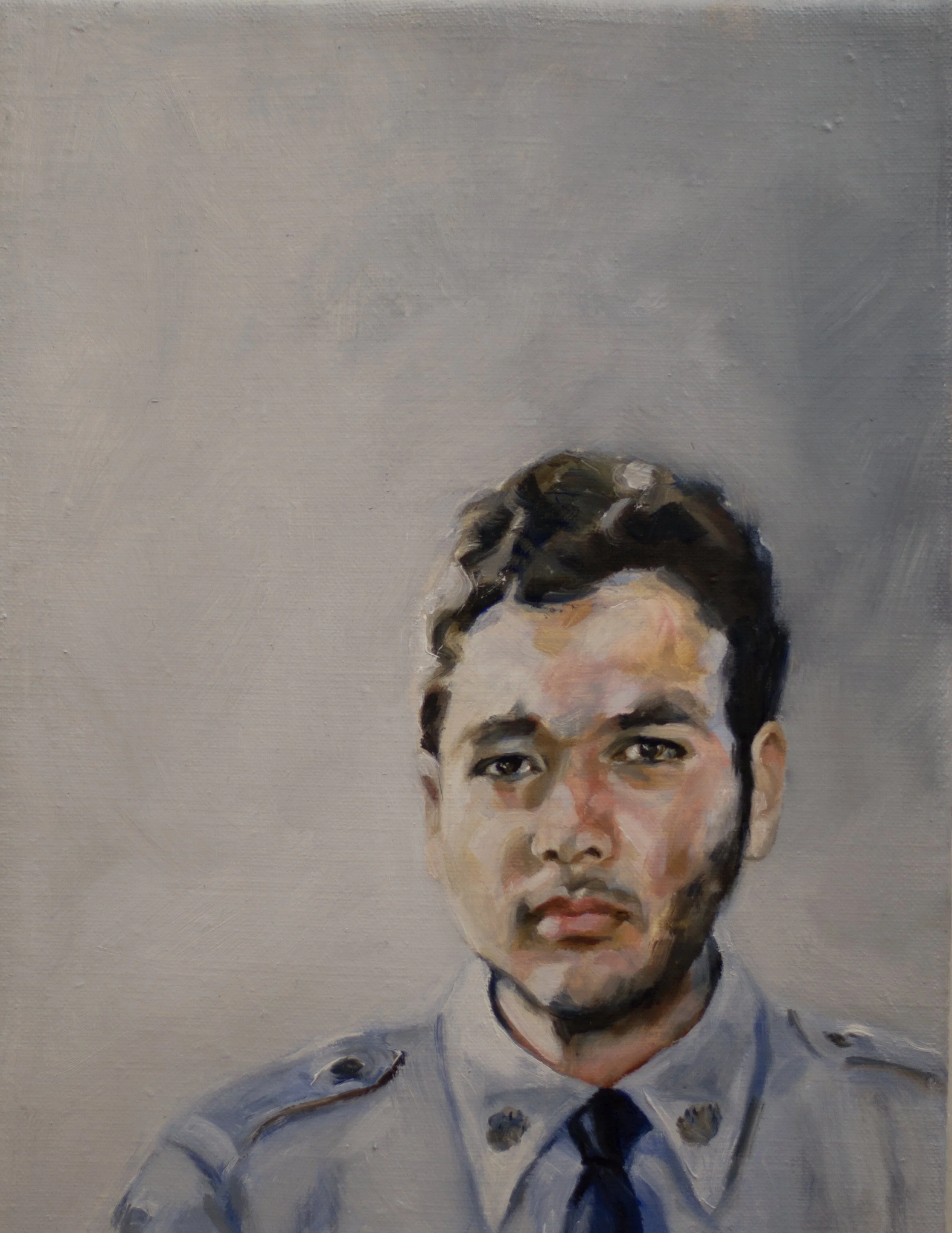
Also represented are four New Yorkers: Jane Jacobs, a journalist, author, and activist who fought and stopped the Robert Moses Lower Manhattan Expressway; Amy Goodman who is an investigative journalist considered a “guardian of truth” by Rolling Stone magazine, and the host and producer of the news program Democracy Now!; Muhammed Salman Hamdani, a Muslim NYC Police Department cadet killed while helping others during the aftermath of 9/11 yet falsely investigated for possible involvement; and Sylvia Rae Rivera, a transgender activist and self-proclaimed drag queen who was a founding member of the Gay Liberation Front, Gay Activists Alliance, and the Street Transvestite Action Revolutionaries (STAR) organization.
SUBJECTS
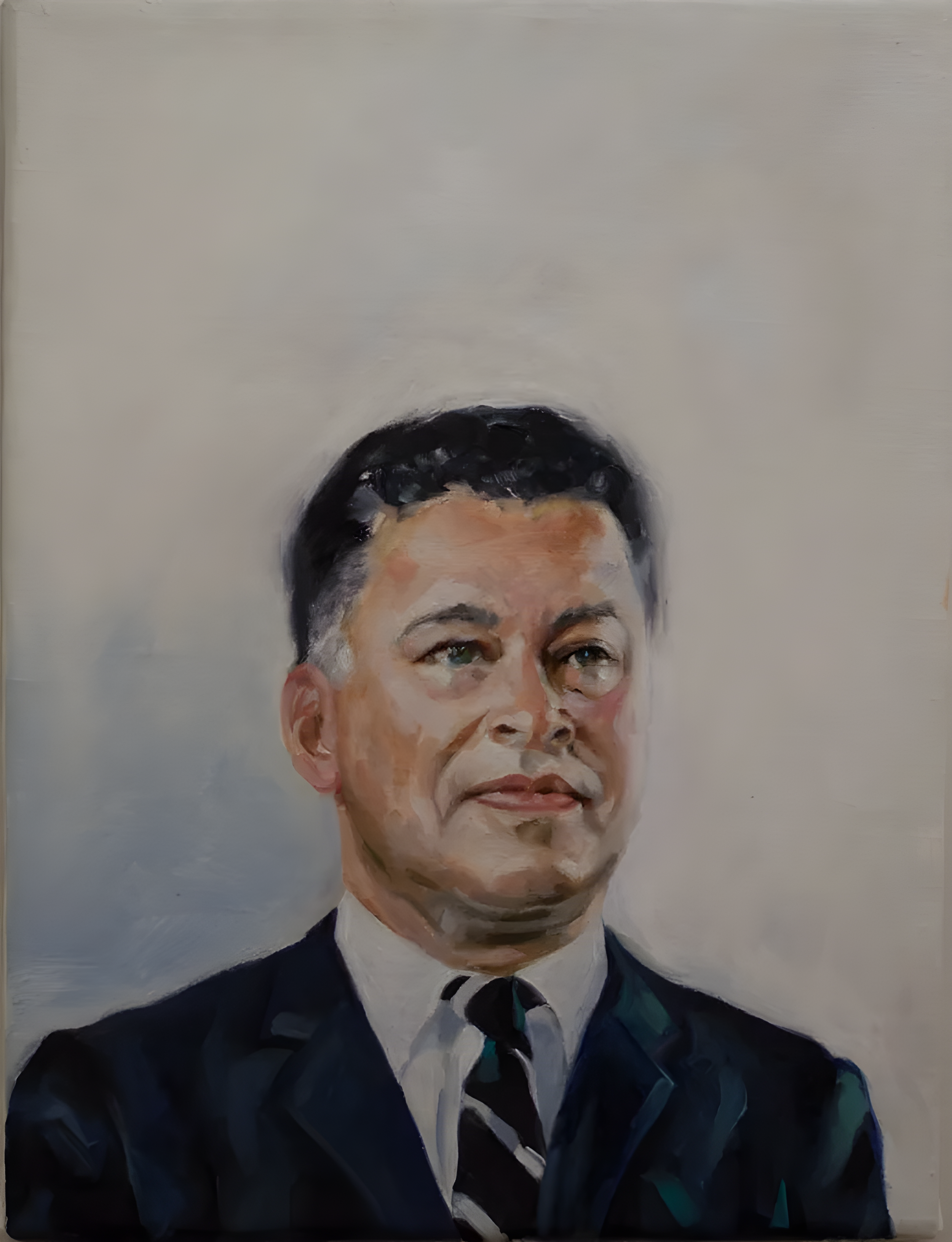
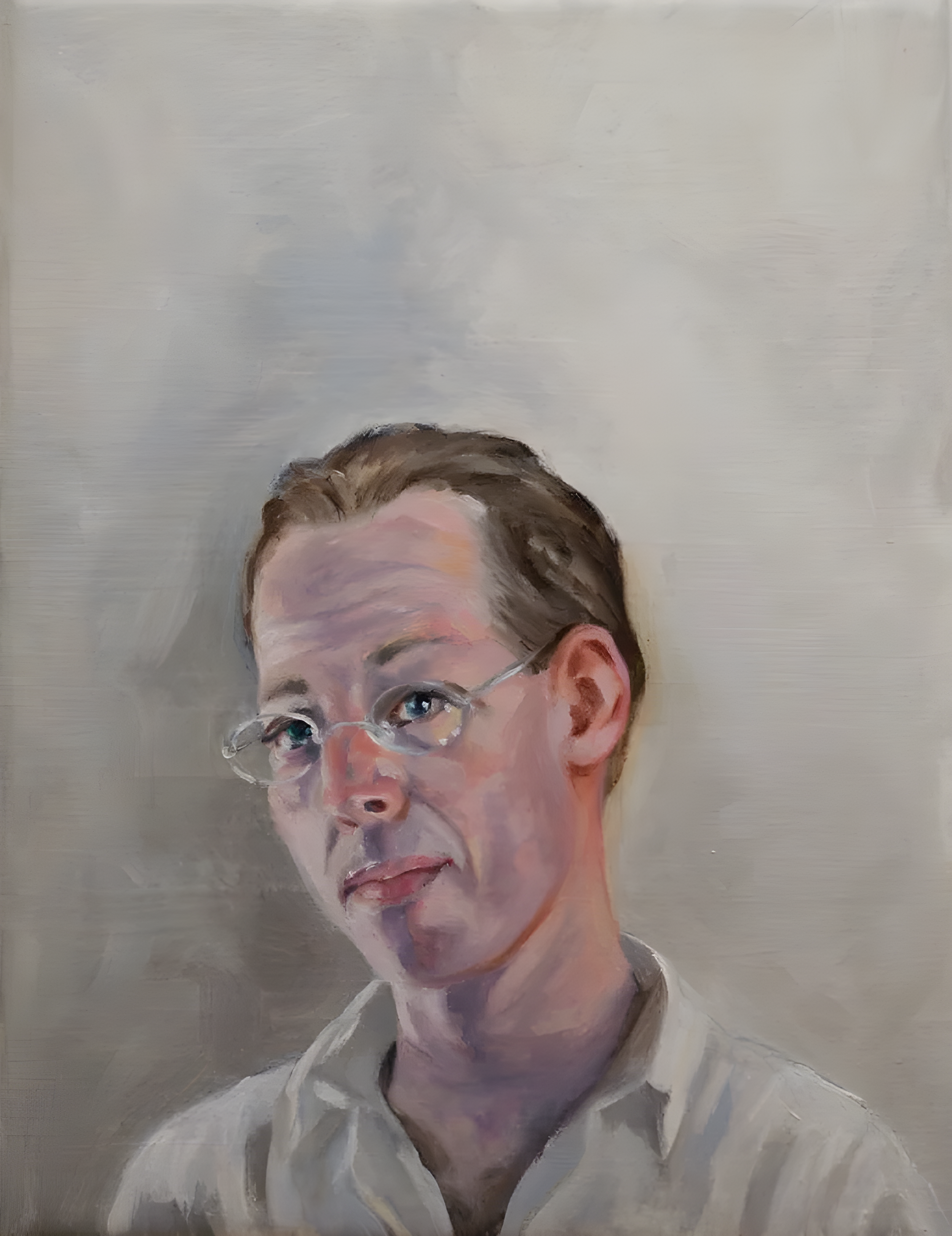
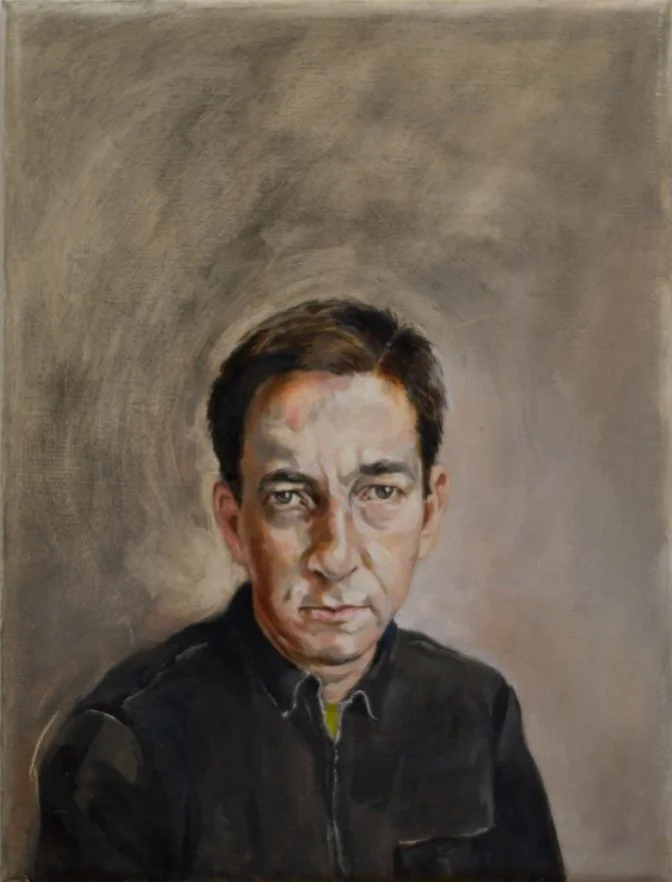

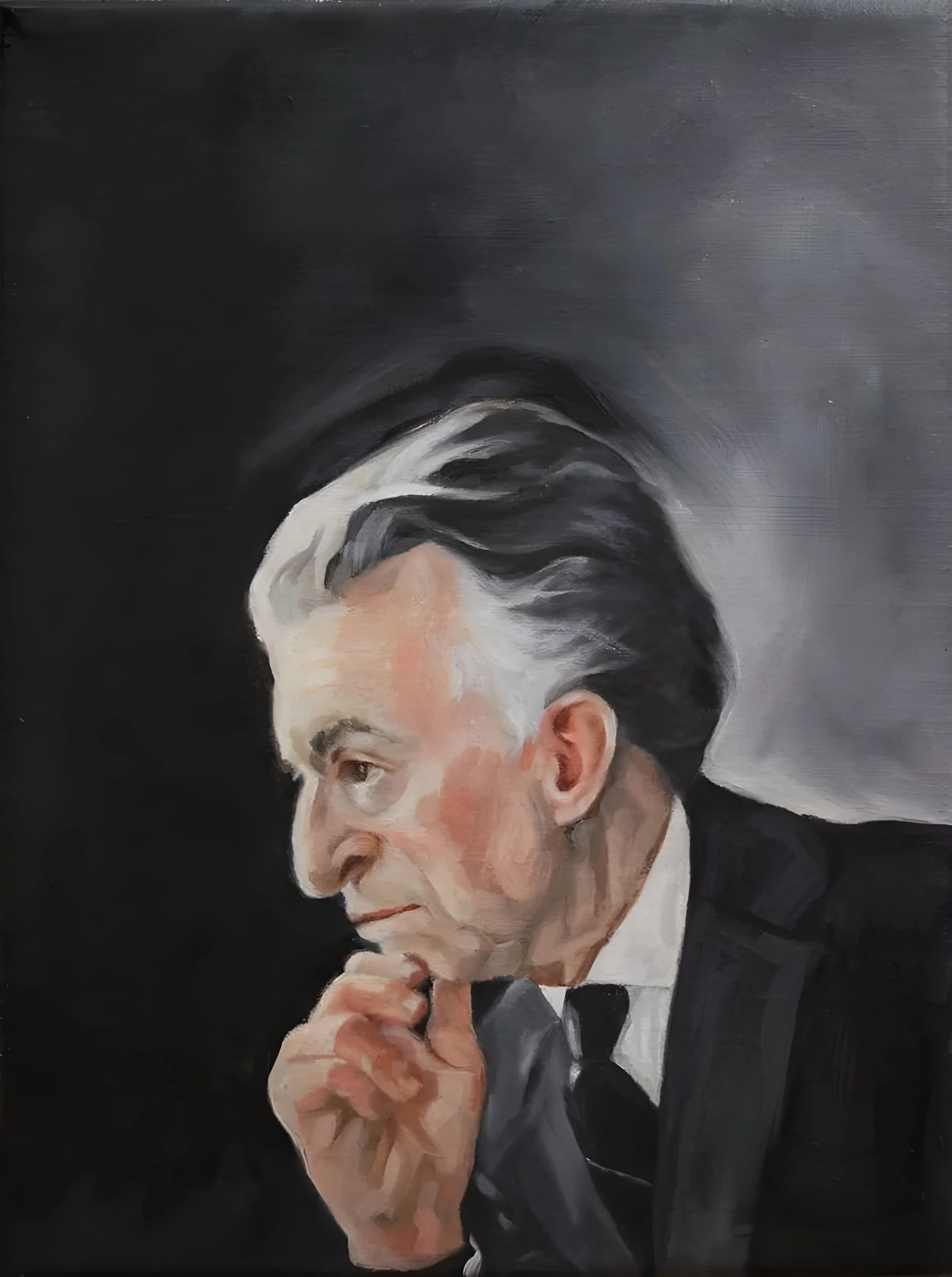
Edward Brooke, 2018
Oil on linen, 12 x 9 inches
“The polarization of Congress; the decline of civility; and the rise of attack politics… are a blot on our political system and a disservice to the American people.”
Edward W. Brooke III (1919–2015) was the first African American elected to the U.S. Senate by popular vote in 1966, representing Massachusetts as a Republican. Born in Washington, D.C., he graduated from Boston University School of Law and served in World War II. Elected Massachusetts Attorney General in 1962, he co-wrote the 1968 Civil Rights Act and was among the first Republicans to call for Nixon’s resignation during the Watergate Scandal. Awarded the Presidential Medal of Freedom in 2004, Brooke died in 2015 at 95.
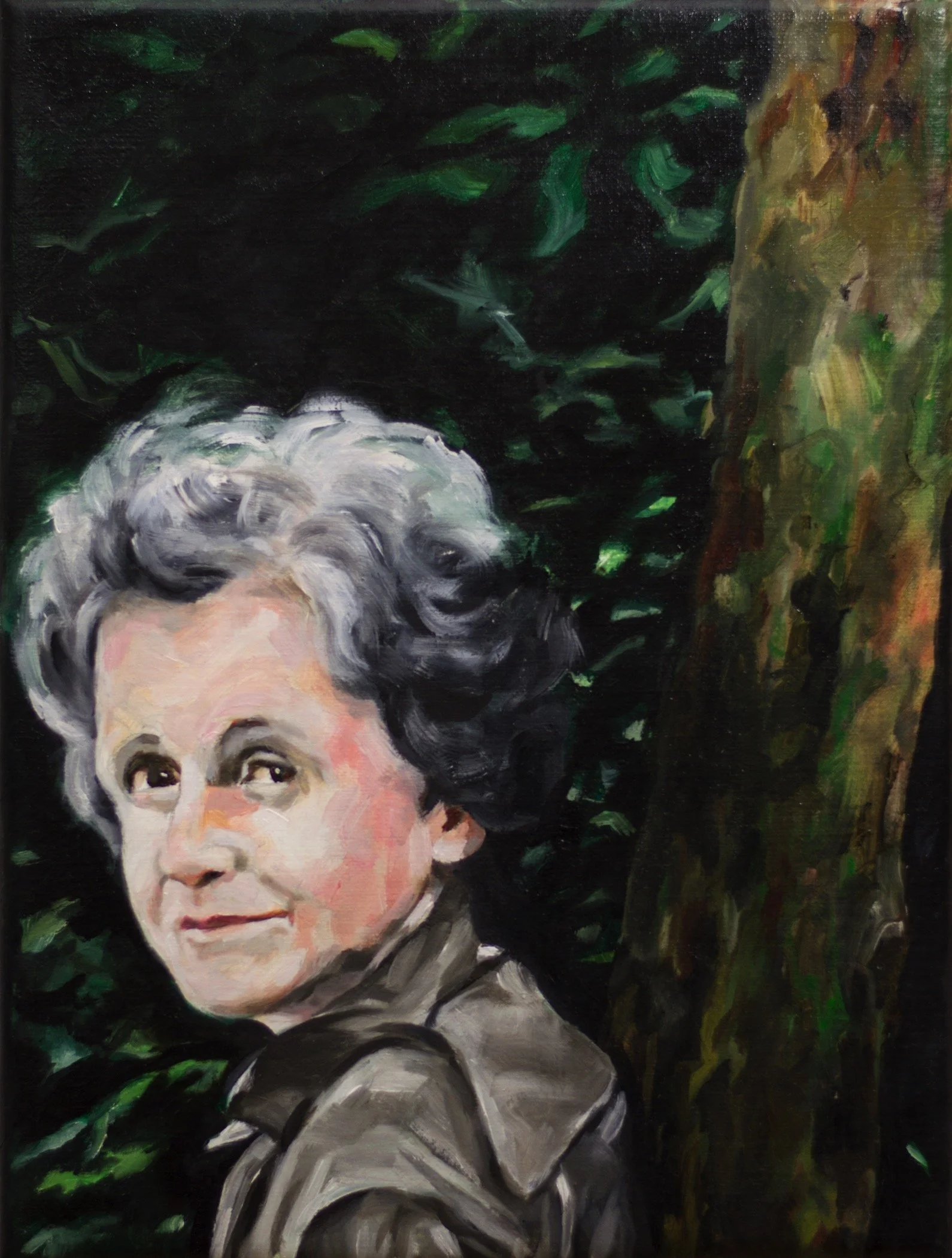
Rachel Carson, 2018
Oil on linen, 12 x 9 inches
“But man is a part of nature, and his war against nature is inevitably a war against himself.”
Rachel Carson (1907–1964), a pioneering marine biologist and nature writer from Springdale, Pennsylvania, sparked the environmental movement with her 1962 book Silent Spring, exposing the dangers of pesticides like DDT. Her earlier work, Under the Sea-Wind (1941), redefined ecosystem understanding. Despite resistance from chemical companies, Carson’s advocacy led to a nationwide DDT ban and the creation of the U.S. Environmental Protection Agency. Honored with awards from the National Audubon Society and the American Geographical Society, she received the Presidential Medal of Freedom in 1980, posthumously, after her death from breast cancer.
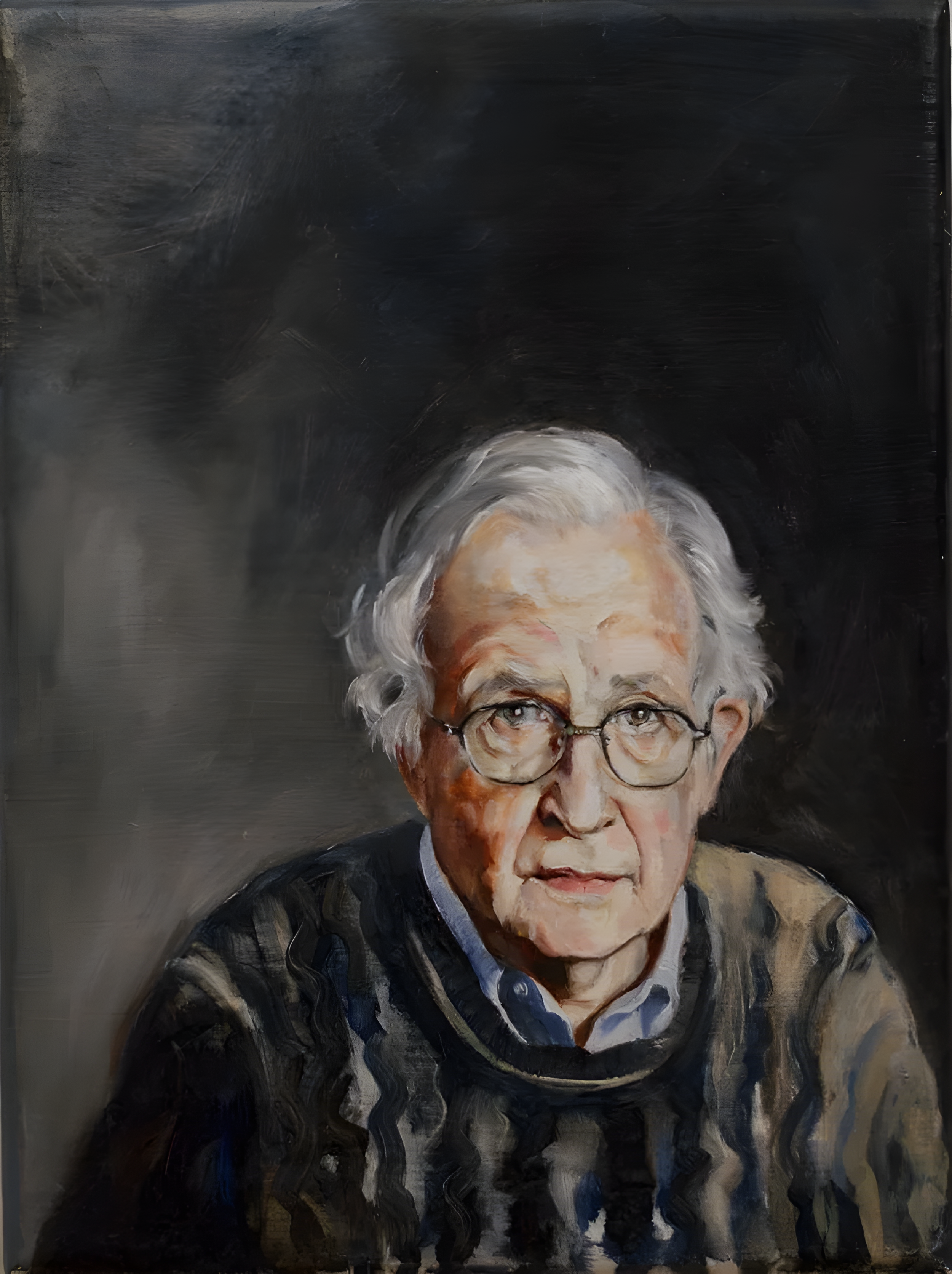
Noam Chomsky, 2018
Oil on linen, 12 x 9 inches
“Our only real hope for democracy is that we get the money out of politics entirely and establish a system of publicly funded elections.”
Noam Chomsky (b. 1928) is a renowned American linguist, philosopher, activist, and public intellectual, often called the “father of modern linguistics” and a founder of cognitive science. Born in Philadelphia, he developed groundbreaking theories on grammar and the philosophy of mind at the University of Pennsylvania. A fierce critic of U.S. foreign policy, neoliberalism, state capitalism, and mainstream media, Chomsky aligns with anarcho-syndicalism and libertarian socialism. His 1967 essay “The Responsibility of Intellectuals” opposed the Vietnam War, highlighting academics’ complicity in power structures. Author of over 100 books, he champions free speech and anti-imperialism.
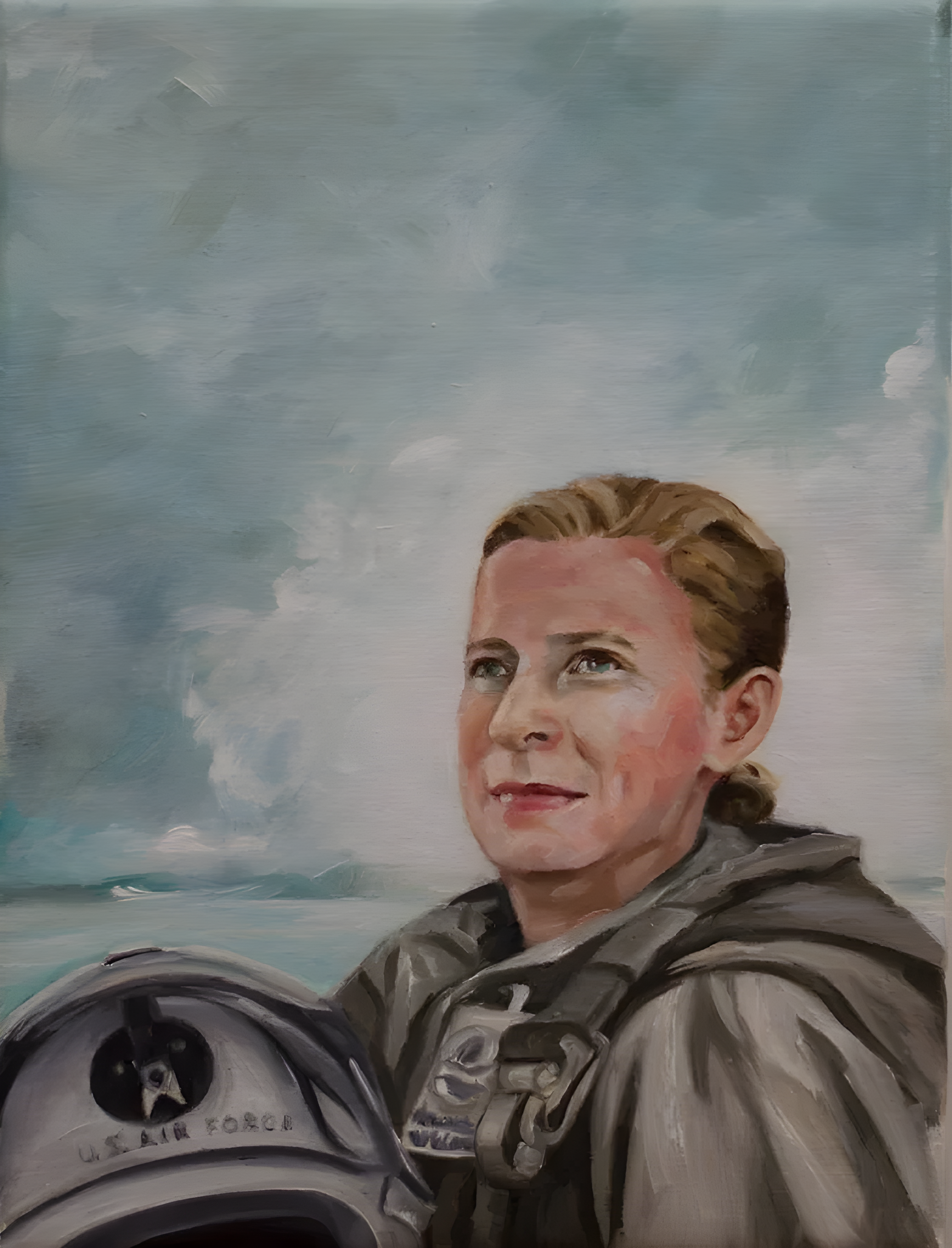
Jerrie Cobb, 2018
Oil on linen, 12 x 9 inches
“I would give my life to fly in space.”
Jerrie Cobb (1931–2019), a pioneering pilot, was the first woman to pass astronaut training exams in 1960 as part of the Mercury 13 program. Despite her qualifications, Congress denied her a NASA position due to gender discrimination. Raised by an army pilot, Cobb flew at 12 and earned her pilot’s license at 17. Her congressional testimony helped open NASA to women, leading to Sally Ride’s 1983 spaceflight. Cobb completed over 30 years of missionary work in South America, earning a 1981 Nobel Peace Prize nomination.
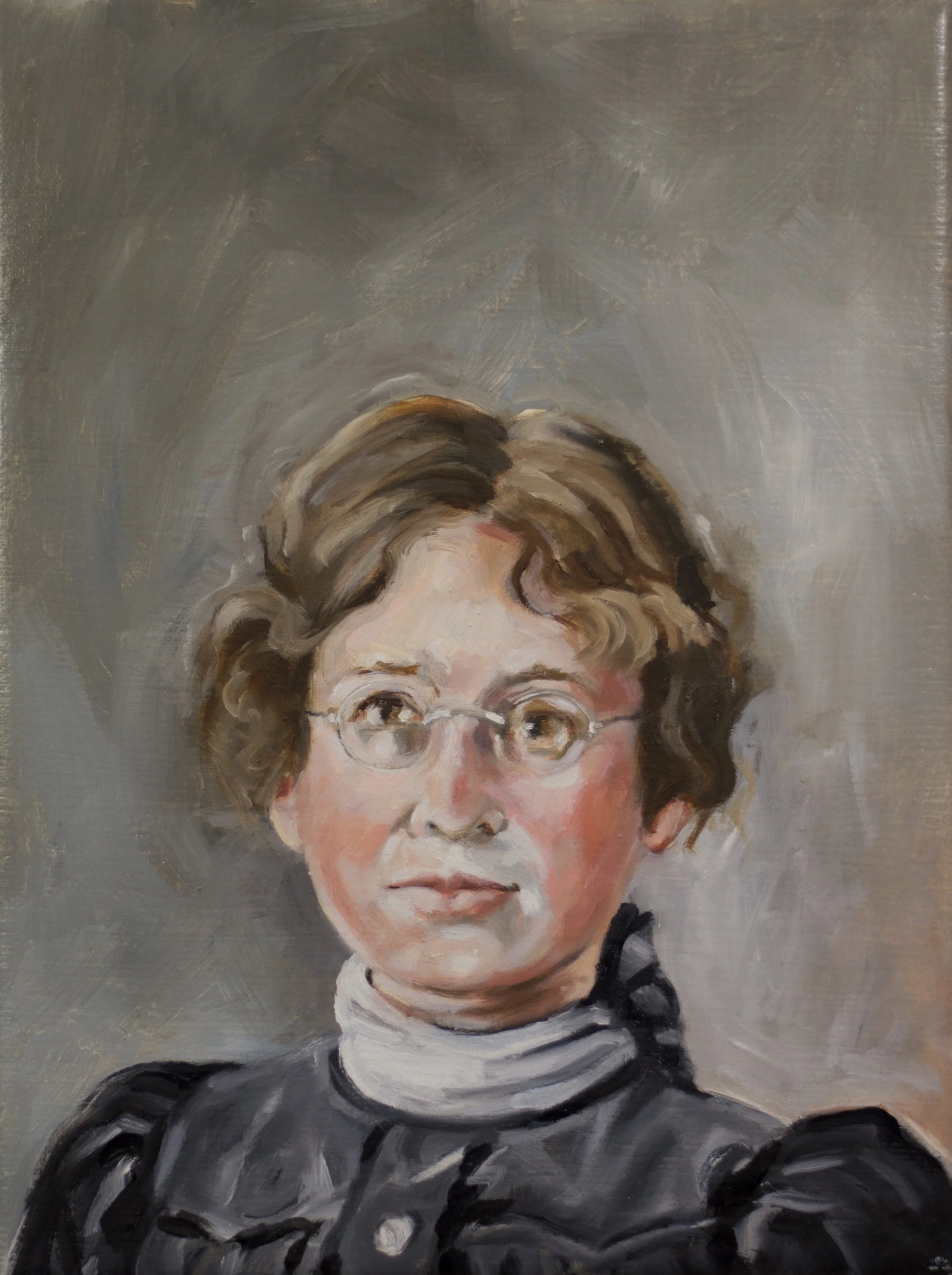
Mary Ware Dennett, 2018
Oil on linen, 12 x 9 inches
“It (sex) is the most wonderful and interesting part of growing up.”
Mary Ware Dennett (1872–1947), a women’s rights activist and pioneer in sex education, birth control, and suffrage, challenged the lack of sexual health information after personal childbirth tragedies. Her 1919 pamphlet, The Sex Side of Life, covered masturbation, STDs, and contraception, but was censored under Comstock laws, leading to an obscenity conviction. The highly publicized trial, later overturned, boosted the pamphlet’s circulation and questioned obscenity laws. Dennett’s work sparked a lasting movement for reliable sex education.
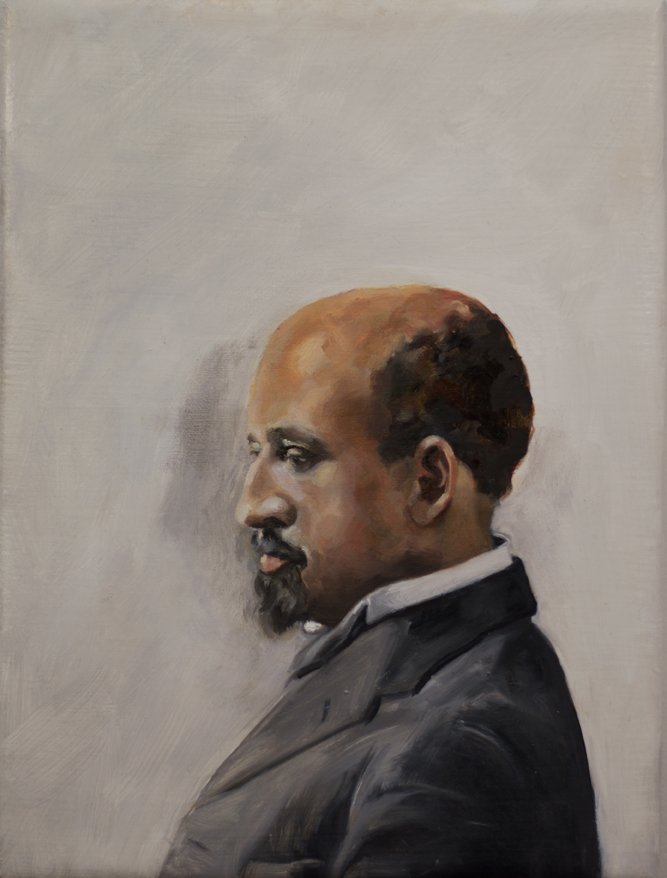
W. E. B. Du Bois, 2018
Oil on linen, 12 x 9 inches
“The cost of liberty is less than the price of repression.”
W. E. B. Du Bois (1868–1963) was a pioneering sociologist, historian, author, and civil rights activist. Born in Great Barrington, Massachusetts, he became the first African American to earn a Ph.D. from Harvard in 1895. A co-founder of the NAACP and editor of its journal The Crisis, Du Bois led the Niagara Movement, advocating for full civil rights and opposing the Atlanta Compromise. A prolific writer, he popularized the term “color line” to highlight racial injustice. Sympathetic to socialism and a peace activist, he supported nuclear disarmament. His work influenced the Civil Rights Act of 1964, passed a year after his death.
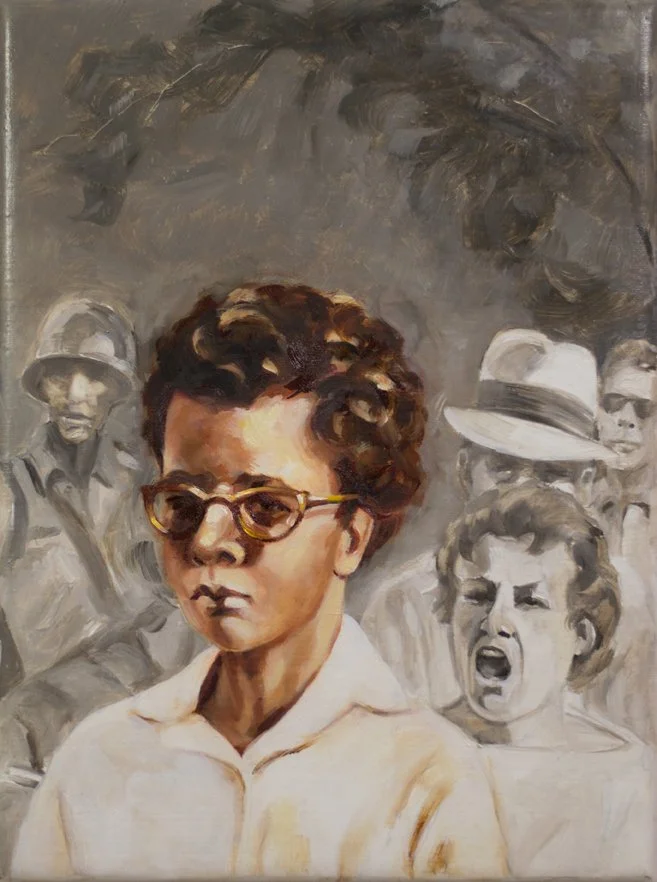
Elizabeth Eckford, 2018
Oil on linen, 12 x 9 inches
“They [mob] moved closer and closer… I tried to see a friendly face somewhere in the crowd—someone who maybe could help. I looked into the face of an old woman and it seemed a kind face, but when I looked at her again, she spat on me.”
Elizabeth Eckford (b. 1941) was one of the “Little Rock Nine,” Black students chosen to integrate Little Rock Central High School in Arkansas in 1957, following the 1954 Brown v. Board of Education ruling. Facing intense opposition and riots from white protesters, Eckford was photographed walking alone through a hostile mob, an iconic Civil Rights Movement image. Initially blocked by the Arkansas National Guard, she was escorted into the school by the 101st Airborne under President Eisenhower’s orders. Eckford remains a symbol of courage.
Dr. Paul Farmer, 2018
Oil on linen, 12 x 9 inches
“The idea that some lives matter less is the root of all that is wrong with the world.”
Dr. Paul Farmer (1959–2022), an American physician and humanitarian, co-founded Partners in Health to provide free healthcare to the poor, starting in rural Haiti. Born in Massachusetts, he earned an MD and studied medical anthropology at Harvard. Farmer oversaw healthcare initiatives in Peru, Rwanda, and Russia. From 2008, he lived in Kigali, Rwanda, serving as editor-in-chief of Health and Human Rights Journal. In 2009, he was named UN Deputy Special Envoy to Haiti, aiding economic and social improvements.
Amy Goodman, 2018
Oil on linen, 12 x 9 inches
“I’ve learned in my years as a journalist that when a politician says ‘That’s ridiculous,’ you’re probably on the right track.”
Amy Goodman (b. 1957) is an American journalist and co-founder of Democracy Now!, an independent news program broadcasting globally. A New York native, she graduated from Radcliffe University with an anthropology degree. Known for fearless reporting on East Timor’s independence and Chevron’s role in Nigeria’s unrest, Goodman’s impartial journalism earned her the title “guardian of truth” from Rolling Stone. Launched in 1996, Democracy Now! amplifies diverse voices, free from corporate or government funding. She received the Gandhi Peace Award in 2012.
Mohammad Salman Hamdani, 2018
Oil on linen, 12 x 9 inches
“He gave his life. They tried to take away his dignity in death, and they cannot do it.” —Talat Hamdani, Mohammad’s mother
Mohammad Salman Hamdani (1977–2001) was a Pakistani-American NYPD cadet and EMT who heroically rushed to the World Trade Center on 9/11 to save others, losing his life. Born in Karachi, Pakistan, and raised in Queens, he studied biochemistry at Queens College, aspiring to attend medical school. After the attacks, his Muslim background led to false accusations of terrorism, later disproven. Congress honored him in the 2001 USA PATRIOT Act. Bayside, Queens, named “Salman Hamdani Way” in his memory.
Mohammad Salman Hamdani, 2018
Oil on linen, 12 x 9 inches
“He gave his life. They tried to take away his dignity in death, and they cannot do it.” —Talat Hamdani, Mohammad’s mother
Mohammad Salman Hamdani (1977–2001) was a Pakistani-American NYPD cadet and EMT who heroically rushed to the World Trade Center on 9/11 to save others, losing his life. Born in Karachi, Pakistan, and raised in Queens, he studied biochemistry at Queens College, aspiring to attend medical school. After the attacks, his Muslim background led to false accusations of terrorism, later disproven. Congress honored him in the 2001 USA PATRIOT Act. Bayside, Queens, named “Salman Hamdani Way” in his memory.
Dolores Huerta, 2018
Oil on linen, 12 x 9 inches
“Every moment is an organizing opportunity, every person a potential activist, every minute a chance to change the world.”
Dolores Huerta (b. 1930), a civil rights icon, co-founded the National Farm Workers of America Union in 1962 with César Chávez, championing Latino farmworkers’ rights and coining “Sí se puede” (Yes, we can). Born in Dawson, New Mexico, she fought racial and economic injustices, organizing farmers facing brutal conditions. Arrested over 22 times for protesting, she advocated for agricultural workers, women’s, and LGBTQ+ rights. Huerta, the first Latina in the National Women’s Hall of Fame, continues activism through the Dolores Huerta Foundation.
Jane Jacobs, 2018
Oil on linen, 12 x 9 inches
“Cities have the capability of providing something for everybody, only because, and only when, they are created by everybody.”
Jane Jacobs (1916–2006) was an influential urban writer and activist. Her 1961 book, The Death and Life of Great American Cities, criticized urban renewal for creating unsafe, dull spaces. Moving to Greenwich Village in 1935, she embraced New York’s vibrant culture. As associate editor of Architectural Forum (1952), she opposed “slum clearance” displacing communities. In the 1960s, Jacobs led efforts against Robert Moses’ Lower Manhattan Expressway, saving Washington Square Park. Arrested in 1968, her activism shaped urban policy. She moved to Toronto, continuing advocacy until her death.
Lois Jenson, 2018
Oil on linen, 12 x 9 inches
“It was like they’d never seen a woman before.”
Lois Jenson (b. 1948), a single mother working at Eveleth Mines in Minnesota in 1975, faced severe sexual harassment in a male-dominated workplace. Enduring intimidation, threats, and assaults, she filed a complaint in 1984, launching the first U.S. class-action sexual harassment lawsuit, Jenson v. Eveleth Taconite Co. After a 14-year legal battle, a 1998 settlement forced the company to pay over $15 million and implement harassment training. Jenson’s case, the basis for the 2005 film North Country, advanced workplace protections.
Lilly Ledbetter, 2018
Oil on linen, 12 x 9 inches
“We sought justice because equal pay for equal work is an American value. And, in a 5-4 (Supreme Court) decision, they stood on the side of those who short-changed my pay, my overtime, and my retirement just because I am a woman.”
Lilly Ledbetter (b. 1938), a Jacksonville, Alabama native, discovered after 19 years at Goodyear that she was paid less than male colleagues. Her lawsuit, Ledbetter v. Goodyear, reached the Supreme Court, which overturned her $3 million award in 2007 due to a filing deadline. This led to the Lilly Ledbetter Fair Pay Act of 2009, signed by President Obama, resetting the 180-day limit for pay discrimination claims. Ledbetter became a women’s equality activist, speaker, and author.
Candy Lightner, 2018
Oil on linen, 12 x 9 inches
“The road through grief is a rocky one. Traveling along it requires courage, patience, wisdom, and hope.”
Candy Lightner (b. 1946) founded Mothers Against Drunk Driving (MADD) in 1980 after her 13-year-old daughter was killed by a drunk driver in a hit-and-run. Outraged by the driver’s lenient sentence, she launched MADD to advocate for stricter drunk-driving laws. Lightner lobbied California for tougher penalties in 1981 and served on the National Commission on Drunk Driving. Her efforts led to a 1984 federal law raising the drinking age to 21, saving an estimated 800 lives annually. By 1985, all 50 states strengthened drunk-driving laws.
William Moore McCulloch, 2018
Oil on linen, 12 x 9 inches
“I know that you, more than anyone, were responsible for the civil rights legislation of the 1960s.” —Jacqueline Kennedy
William Moore McCulloch (1901–1980), a Republican congressman from a rural Ohio district with only 2.7% Black residents, was pivotal in passing the 1964 Civil Rights Act, despite political risks. Driven by opposition to Jim Crow and belief in constitutional equality, he supported the 1965 Voting Rights Act and 1968 Fair Housing Act. McCulloch introduced civil rights legislation before President Kennedy’s proposal and honored his commitment to Kennedy, earning praise from Jacqueline Kennedy for his integrity.
Bill McKibben, 2018
Oil on linen, 12 x 9 inches
“There is a tendency at every important but difficult crossroad to pretend that it’s not really there.”
Bill McKibben (b. 1960), an environmental author and activist, introduced climate change to the public with his 1989 book The End of Nature. Born in Palo Alto, California, and a Harvard graduate, he founded 350.org, a global grassroots organization to combat fossil fuel projects and promote carbon emission cuts. McKibben organized the People’s Climate March, the largest fossil fuel protest ever, and led resistance against the Keystone XL pipeline in 2012. A leading environmentalist, he received the Gandhi Peace Award in 2013.
Richard Oakes, 2018
Oil on linen, 12 x 9 inches
“This is the beginning of our fight for justice and self-determination.”
Richard Oakes (1942–1972), a Mohawk Native American activist born in Akwesasne, New York, led the 1969–1971 occupation of Alcatraz Island, claiming it under the 1868 Fort Laramie Treaty to advocate for Native rights. At San Francisco State University, he pioneered one of the first Native American Studies departments. The Alcatraz occupation advanced Native American sovereignty in U.S. policy. Oakes faced violence and imprisonment for his activism and was killed in 1972 at age 30.
Sylvia Ray Rivera, 2018
Oil on linen, 12 x 9 inches
“Hell hath no fury like a drag queen scorned.”
Sylvia Ray Rivera (1951–2002) was a pioneering transgender activist of Puerto Rican and Venezuelan descent. Kicked out of her New York home at 11 for her effeminate behavior, she found community among drag queens. A key figure in the 1969 Stonewall Riots, Rivera advocated for LGBT rights during the Civil Rights and feminist movements. In 1970, she co-founded the Street Transvestite Action Revolutionaries (STAR). Honored at the 1994 Stonewall 25th anniversary march, Rivera’s legacy lives on through the Sylvia Rivera Law Project and a New York City street named in her honor.
Marvin Sonosky, 2018
Oil on linen, 12 x 9 inches
“We used to joke about how long it took. But now a lot of people don’t want the money. They want the land.” —Frank Lawrence, Standing Rock Tribal Chairman
Marvin J. Sonosky (1909–1997), a Washington, D.C. lawyer, championed Native American rights as general counsel to the Sioux, Assiniboine, and Shoshone Tribes. From 1956 to 1980, he fought for compensation for the U.S. seizure of the Black Hills, securing a 1980 Supreme Court ruling awarding the Sioux Nation $105 million, though they rejected it, seeking their sacred land’s return. Honored by the tribes with a special quilt, Sonosky’s legacy endures in Dakota Access Pipeline disputes.
Hugh Thompson Jr., 2018
Oil on linen, 12 x 9 inches
“I’m going to go over and get them out of the bunker myself. If the squad opens up on them, shoot ’em.”
Hugh Thompson Jr. (1943–2006), a U.S. Army helicopter pilot born in Atlanta, Georgia, heroically stopped the 1968 My Lai Massacre during the Vietnam War. Witnessing the slaughter of 347–504 Vietnamese civilians, he landed his helicopter between U.S. troops and civilians, threatening to fire on his own soldiers to save lives, and evacuated survivors against orders. Thompson testified before Congress, exposing wartime atrocities. Awarded the Soldier’s Medal, he spoke at West Point on soldiers’ moral obligations.
Bill Wilson, 2018
Oil on linen, 12 x 9 inches
“We are not cured of alcoholism. What we have is a daily reprieve contingent on the maintenance of our spiritual condition.”
William Griffith Wilson (1895–1971), known as Bill W., co-founded Alcoholics Anonymous (AA), a global mutual aid organization with over 20 million members. Born in Vermont, Wilson struggled with alcoholism and depression, worsened by family history. His drinking, which began during military training in 1916, spiraled, damaging his business and reputation. After multiple hospitalizations, Wilson achieved sobriety at 40 through spiritual recovery, remaining sober for 35 years. He co-authored Alcoholics Anonymous: Twelve Steps and Twelve Traditions, shaping addiction treatment.
Mose Wright, 2018
Oil on linen, 12 x 9 inches
“There he is….and there’s Mr. Bryant.”
Mose Wright (1890–1973), a Mississippi sharecropper and preacher, courageously testified against the white men who abducted, tortured, and murdered his 14-year-old nephew, Emmett Till, in 1955 for allegedly whistling at a white woman. Despite intense racism and death threats, Wright identified the killers in open court, a historic act of defiance for a Black man in the South. His testimony challenged racial injustice, marking a pivotal moment in the Civil Rights Movement.